





Randy Wise Chrysler Dodge Jeep Ram of Durand

Blog / Durand MI

Signs Your Vehicle May Need Brake Service

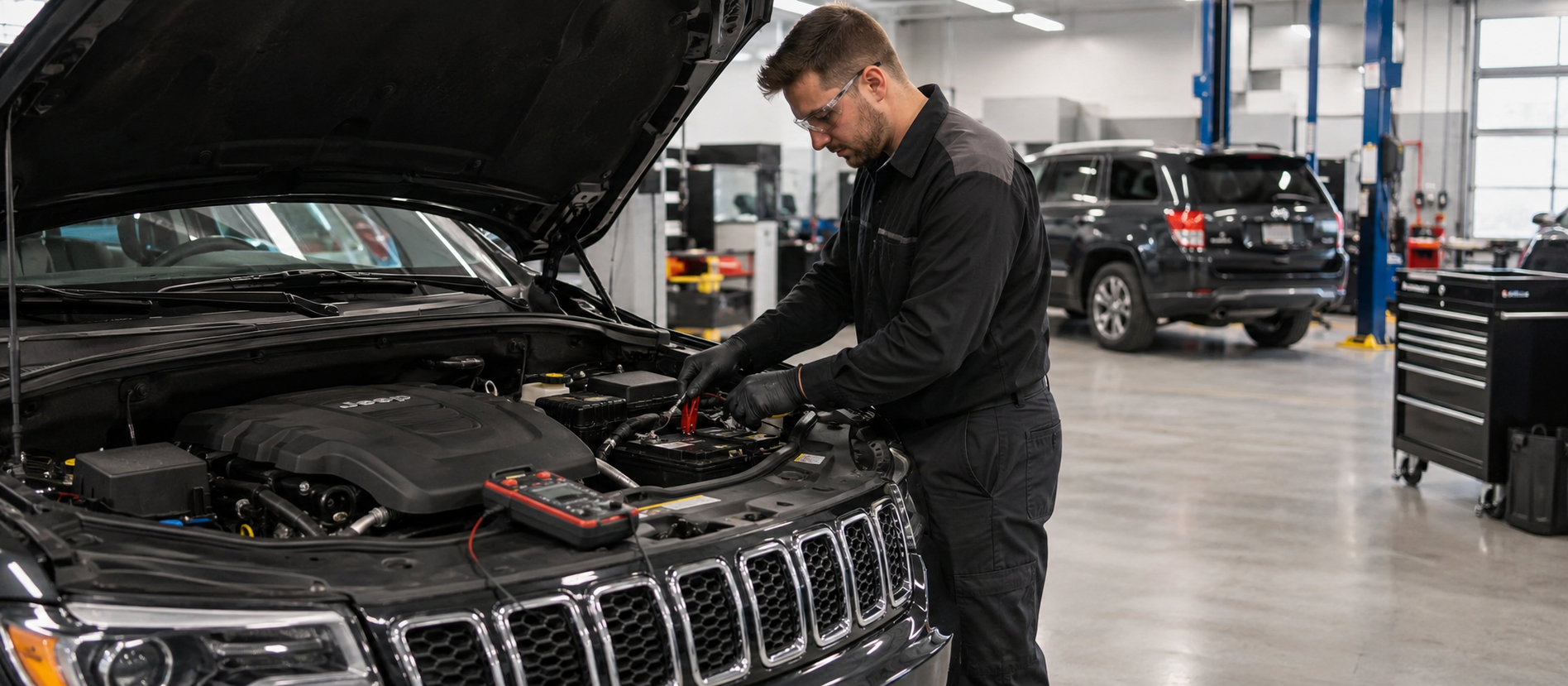
Technician performing brake service on a vehicle inside a professional dealership service center
Your brakes should respond smoothly and predictably whenever you press the pedal. However, worn parts, fluid problems, heat, or other brake-system issues can change how the vehicle sounds, feels, and stops. Drivers looking for brake repair in Durand, MI should not ignore new noises, warning lights, pedal changes, or reduced stopping power. An inspection can help identify the cause before the problem becomes more serious.

Six Signs Your Vehicle May Need Brake Service

Squealing or Squeaking

Frequent squealing may point to worn brake pads or another issue that needs an inspection.

Grinding Sounds

Grinding can mean that brake material has worn down and metal parts are contacting each other.

Vibration While Braking

A pulsing pedal, shaking steering wheel, or vehicle vibration may signal uneven wear or damaged brake parts.

Pedal Feels Different

A soft, low, hard, or sinking pedal can point to a problem that requires prompt attention.

Vehicle Pulls to One Side

If the vehicle moves left or right while braking, the brake system, tires, or suspension may need inspection.

Longer Stopping Distance

Schedule service when the vehicle takes more time or distance than usual to slow down.
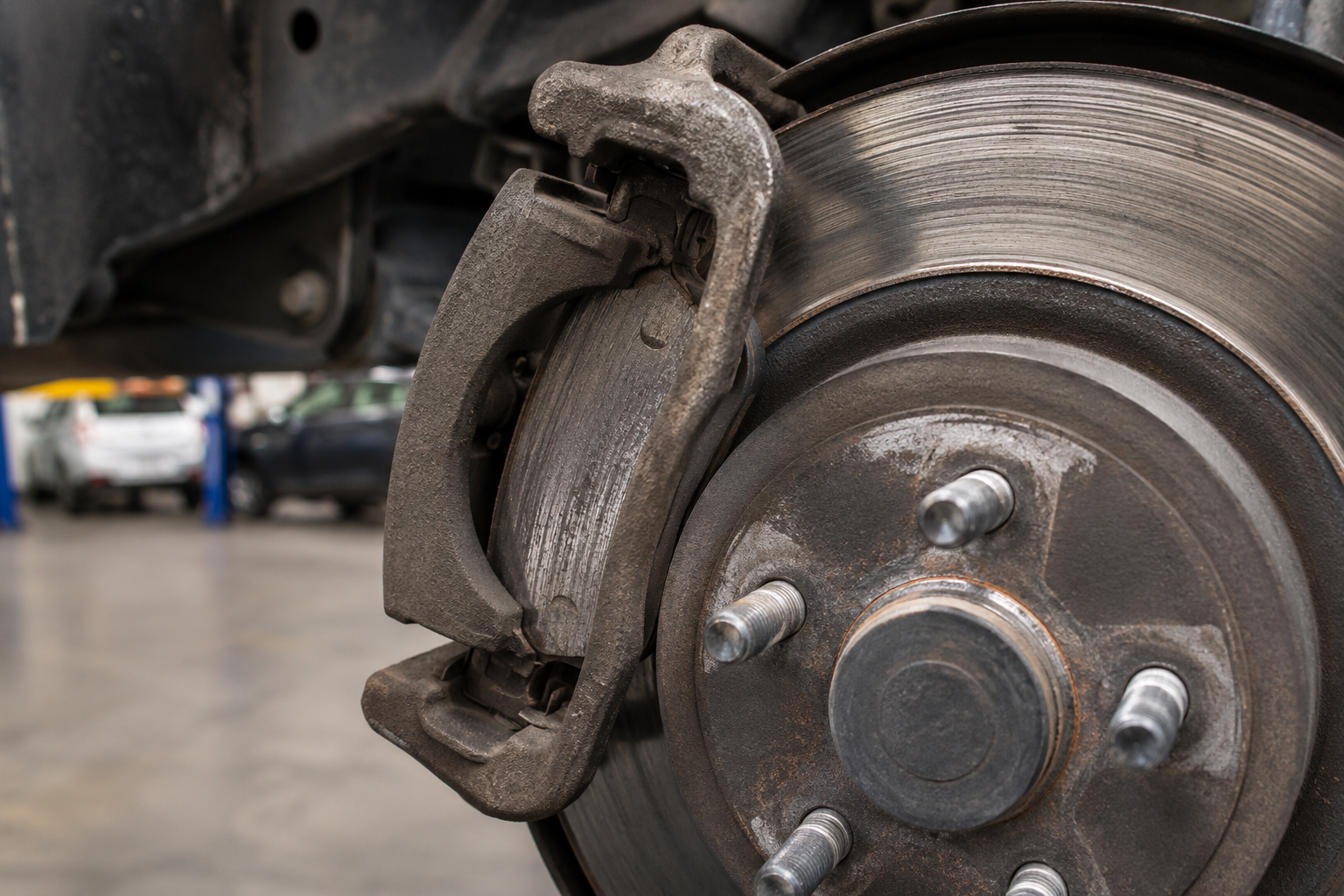
Close-up view of a vehicle brake rotor, caliper, and brake pad

What Do Squealing and Grinding Brakes Mean?

Brake noises do not always mean the same thing. For example, light moisture can sometimes create a brief sound when you first begin driving. A noise that continues, returns often, or grows louder needs more attention.

Squealing Brakes

A high-pitched squeal may come from a brake-pad wear indicator. However, dust, moisture, surface rust, or another brake component can also create noise. Therefore, a technician needs to inspect the system before confirming the cause.

Grinding Brakes

Grinding needs prompt attention because the brake pads may have worn through their friction material. Continued driving could damage the rotors, calipers, or other brake parts. As a result, the repair may become more extensive.

Stop Driving and Arrange Help When

Some symptoms need more than a routine appointment. Stop in a safe location and arrange professional help when the vehicle cannot stop normally or when continuing to drive may create a safety risk.

Pedal Drops or Sinks

The pedal travels toward the floor or fails to provide normal braking response.

Red Brake Light Stays On

The red light remains on after you fully release the parking brake.

Stopping Power Drops

The vehicle takes much longer to stop or does not slow down as expected.

Smoke, Fluid, or Strong Odor

You notice smoke, leaking fluid, extreme heat, or a strong burning smell near a wheel.
Do not continue driving when the brakes cannot stop the vehicle normally. Arrange towing or roadside help instead.
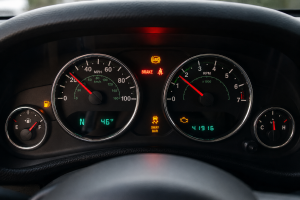
Jeep dashboard close-up display

What Do the Brake and ABS Warning Lights Mean?

First, make sure you have fully released the parking brake. Then, check the owner’s manual for guidance that applies to your vehicle and warning-light combination.

Red Brake Warning Light

The red brake light may point to an applied parking brake, low brake fluid, or a hydraulic brake-system problem. If the light stays on after you release the parking brake, treat it as urgent. A brake-system problem may increase the effort or distance needed to stop.

Yellow ABS Warning Light

An ABS light means the anti-lock portion of the braking system needs service. The normal brake system may still operate when only the ABS light appears. Even so, schedule an inspection as soon as possible to restore anti-lock braking support.

What if Both Lights Appear?

A red brake light and an ABS light appearing together can signal a more serious brake-system problem. Therefore, avoid driving the vehicle and arrange an inspection immediately. Schedule Brake Service

Other Brake Symptoms You Should Not Ignore

Burning Smell

A sharp burning smell after braking may point to overheated components. Pull over safely and allow the system to cool before seeking service.

Heat Near One Wheel

One unusually hot wheel may suggest that a brake is dragging or failing to release fully.

Brake Fluid Leak

Fluid near a wheel or under the vehicle may affect hydraulic pressure. Do not drive when the pedal or stopping response also changes.

Parking Brake Problems

A loose, stuck, or ineffective parking brake also needs attention, especially when the vehicle will not remain secure on an incline.
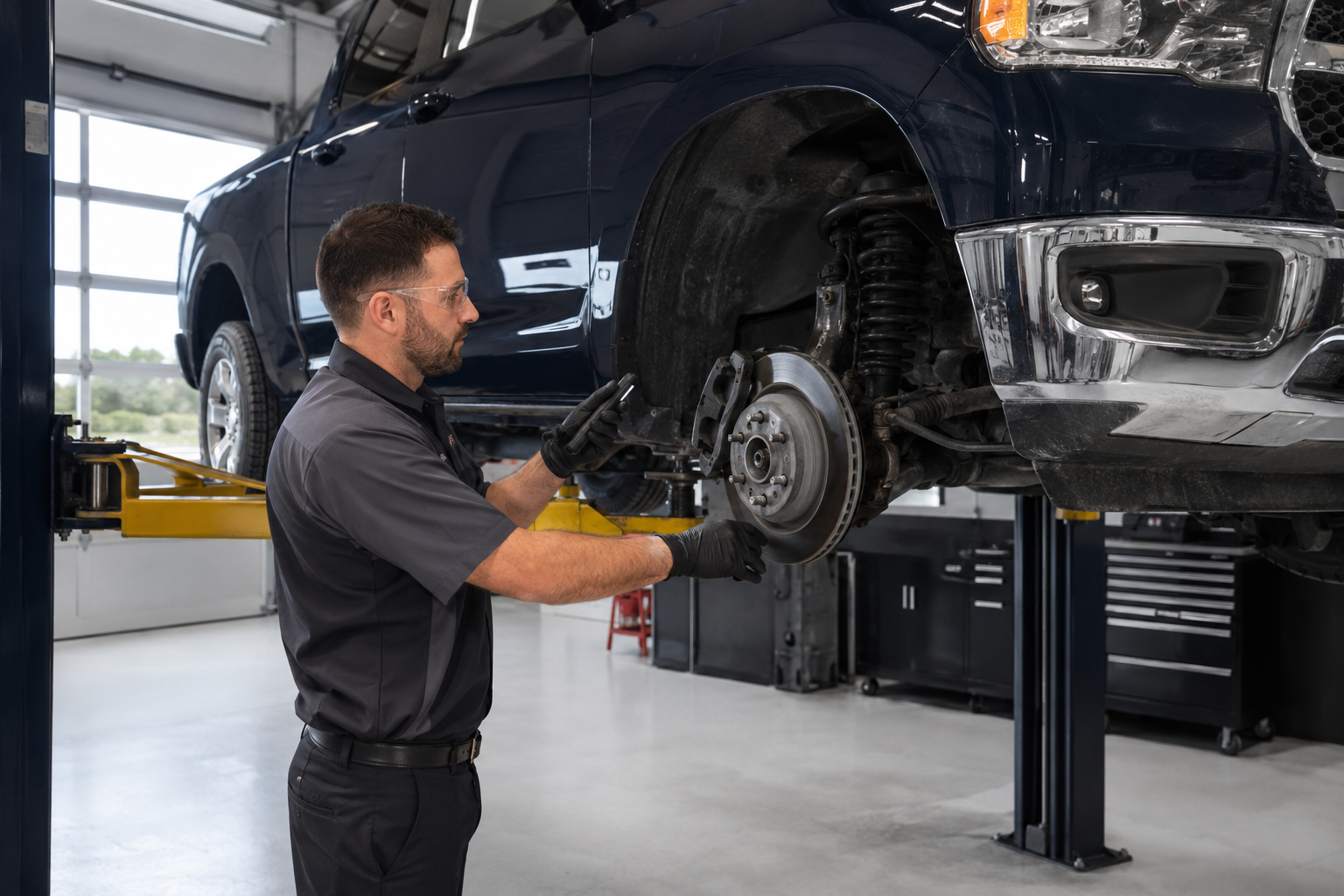
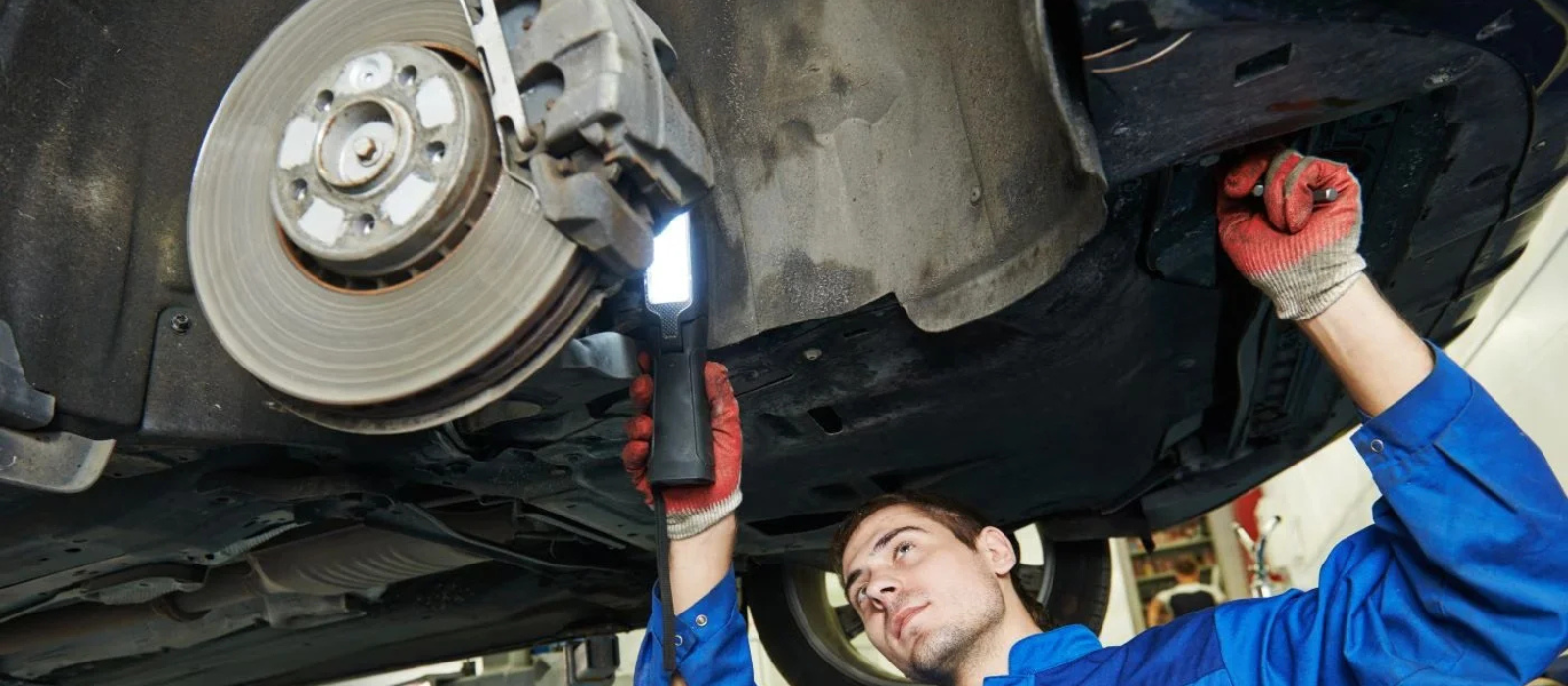
Dealership technician inspecting the brake system on a vehicle raised on a service lift

What Happens During a Brake Inspection?

A technician checks the complete system instead of replacing parts based only on a sound or warning light.

Brake Pads and Shoes

The technician checks friction material, wear patterns, damage, and remaining thickness.

Rotors and Drums

The inspection looks for scoring, cracks, heat damage, uneven wear, and thickness concerns.

Calipers and Hardware

The technician checks movement, seals, mounting parts, clips, and other brake hardware.

Brake Fluid

The inspection reviews the fluid level, visible condition, reservoir, hoses, and possible leaks.

Warning Lights

Diagnostic testing can help identify faults connected to the ABS or other electronic brake controls.

Road-Test Symptoms

When safe and appropriate, the technician may confirm noise, vibration, pulling, or pedal concerns.

Brake Pads, Rotors, and Calipers Work Together

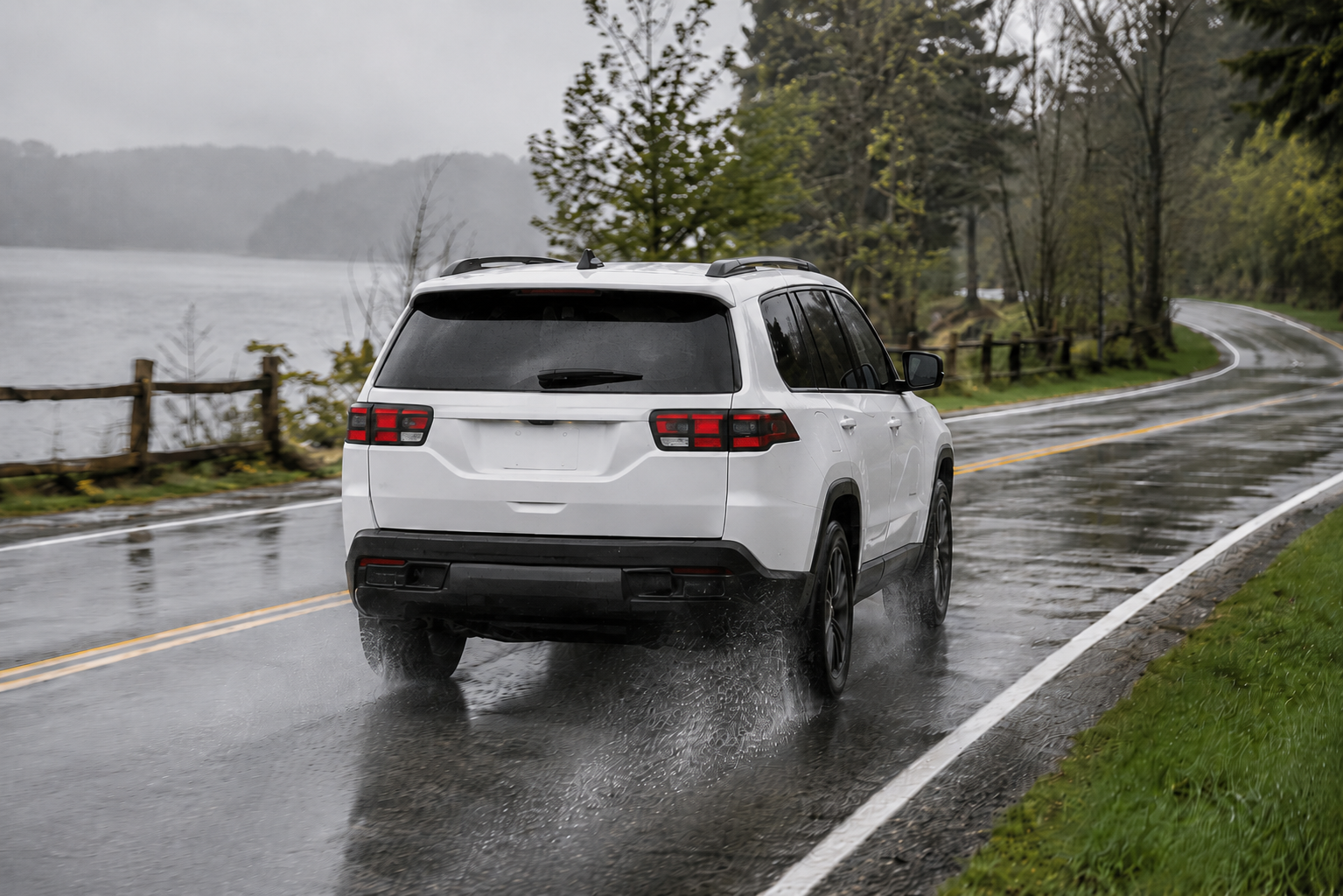
When you press the pedal, the caliper moves the brake pads against the rotor. That contact creates the friction needed to slow the wheel. Because these parts work together, worn pads can eventually damage the rotor. Meanwhile, a sticking caliper can create uneven wear, excess heat, or pulling. Early service may help limit damage to other parts of the system. Jeep driving along a wet Michigan road during rainy weather
Why Brake Condition Matters for Michigan Driving

Michigan drivers regularly encounter rain, road debris, construction, changing temperatures, stop-and-go traffic, and trips with passengers or cargo. Each condition can affect how much distance a vehicle needs to stop.

Wet Roads

Rain can reduce tire grip. Therefore, healthy brakes and properly maintained tires both matter during a stop.

Towing and Heavy Loads

Extra weight can increase heat and stopping demands, especially during repeated braking or downhill travel.

Frequent Short Trips

Regular stops during local driving can wear brake parts faster than steady highway travel.

There Is No Single Brake Replacement Mileage

Brake life depends on the vehicle, brake materials, driving habits, traffic, towing, terrain, and previous service. For that reason, use the maintenance information for your vehicle and schedule an inspection when symptoms appear. Explore the Service Center
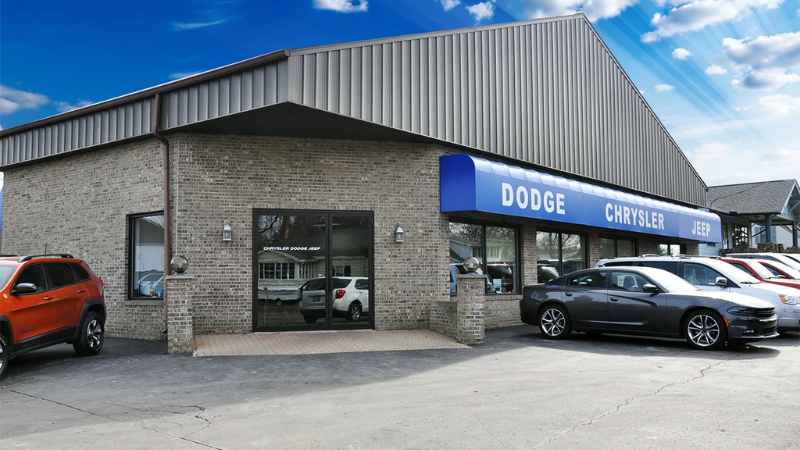
Randy Wise Chrysler Dodge Jeep Ram of Durand dealership

Schedule Brake Service in Durand, MI

Randy Wise Chrysler Dodge Jeep Ram of Durand helps drivers from Durand, Flint, Owosso, Corunna, Swartz Creek, and surrounding Mid-Michigan communities address brake noises, warning lights, pedal changes, and stopping concerns. Our service team can inspect the brake system, explain what they find, and help determine which repairs or maintenance items the vehicle needs.

Frequently Asked Questions

What are the most common signs that brakes need service?

Common warning signs include squealing, grinding, vibration, pulling, a soft or low pedal, warning lights, burning smells, and longer stopping distances.

Can I drive with grinding brakes?

Grinding brakes need prompt attention. Continued driving may reduce braking performance and damage the rotors, calipers, or other parts. Arrange an inspection rather than waiting for the sound to worsen.

Why does my brake pedal feel soft?

A soft pedal may relate to air or fluid problems, worn parts, or another hydraulic-system concern. Because several issues can cause the same symptom, schedule an inspection promptly.

What should I do if the red brake light stays on?

First, make sure the parking brake is fully released. If the light remains on, stop driving and arrange immediate service because the vehicle may have a brake-system problem.

What is the difference between the brake light and ABS light?

The red brake light may signal a parking-brake, fluid, or hydraulic-system concern. In contrast, the yellow ABS light points to a problem with the anti-lock portion of the system. Both lights require attention, although a red brake light can signal a more urgent condition.

How often should I have my brakes inspected?

Follow the maintenance guidance for your specific vehicle. In addition, request an inspection whenever you notice noise, vibration, warning lights, pedal changes, pulling, leaks, or reduced stopping power.

Where can I schedule brake repair near Flint or Owosso?

Drivers from Flint, Owosso, Corunna, Swartz Creek, and nearby Mid-Michigan communities can schedule brake service at Randy Wise Chrysler Dodge Jeep Ram of Durand.
Brake service disclaimer: Brake symptoms can have several causes. This article provides general information and does not replace a professional inspection or the instructions in your vehicle’s owner’s manual. Do not continue driving when the vehicle cannot stop normally, the brake pedal drops toward the floor, the red brake warning light remains on, brake fluid is leaking, or smoke appears near a wheel. Arrange towing or roadside help when necessary. Manufacturer information:Mopar Brake Service | Mopar Brake Maintenance
Posted in:

Related Posts

Wise Care vehicle maintenance program from Randy Wise Automotive Team

What Is Wise Care and How Can It Help with Routine Maintenance?

Routine vehicle maintenance can be easier to manage when you already have a plan for common services. The Wise Care program from Randy Wise Chrysler Dodge Jeep Ram of Durand combines routine maintenance benefits with added auto-deductible reimbursement coverage. The current program includes three oil changes, three tire rotations, and three years of auto-deductible reimbursement up to $500. Before enrolling, speak with the service team about current pricing, eligibility, coverage terms, and how to use each benefit. What Is Included with Wise Care? 3 Oil Changes Use the included oil changes according to your vehicle’s maintenance needs and the terms of the Wise Care program. 3 Tire Rotations Regular rotations can help support even tread wear and give technicians an opportunity to inspect tire condition. 3 Years of Deductible Reimbursement The program lists auto-deductible reimbursement for three years, up to $500. Eligibility, claim requirements, and exclusions may apply. Explore Wise Care How Included Oil Changes Can Support Routine Maintenance Engine oil helps lubricate moving components, manage heat, and reduce friction inside the engine. However, oil gradually loses its ability to protect the engine as mileage and time add up. A Simpler Way to Plan Oil Service With three oil changes included, Wise Care can make it easier to plan an important part of your vehicle’s routine maintenance. Your exact oil-change schedule still depends on the vehicle, oil type, mileage, driving conditions, and manufacturer recommendations. Therefore, follow the maintenance information provided for your specific Chrysler, Dodge, Jeep, Ram, or other vehicle. Schedule an Oil Change Why Regular Tire Rotations Matter Front and rear tires often wear at different rates. Steering, braking, vehicle weight, drivetrain layout, alignment, and driving habits can all affect how quickly each tire loses tread. Promotes More Even Wear Moving the tires to different positions can help distribute normal tread wear more evenly. Creates an Inspection Opportunity During a rotation, the service team can look for unusual wear, visible damage, and tire-pressure concerns. Supports Michigan Driving Healthy tire tread matters during rain, changing temperatures, construction, potholes, and other Mid-Michigan road conditions. The correct rotation pattern and service interval depend on the vehicle and tire setup. Check your owner’s manual or ask the service team for guidance. What Is Auto-Deductible Reimbursement? The Wise Care page lists three years of auto-deductible reimbursement up to $500 as an additional program benefit. In general, deductible reimbursement may help an eligible customer recover a covered automobile insurance deductible after a qualifying claim. However, the exact benefit depends on the Wise Care agreement. Ask About the Details Before Enrolling Which vehicles and customers qualify What types of claims may qualify Required documents and claim deadlines Coverage limits and exclusions Where repairs must be completed How reimbursement requests are submitted Do not assume every accident, repair, or insurance deductible automatically qualifies. Review the complete program terms and ask questions before enrolling. How Can Wise Care Make Maintenance Easier? Plan Common Services Oil changes and tire rotations are two recurring services that many drivers need throughout normal ownership. Stay Connected with the Service Team Routine visits also give technicians a chance to notice tire wear, fluid concerns, warning lights, or other maintenance needs. Prepare for Unexpected Costs The deductible-reimbursement benefit adds another layer of support beyond the included maintenance services. Wise Care Does Not Replace Your Complete Maintenance Schedule Your vehicle may also need filters, fluids, brakes, batteries, belts, inspections, or other services. Continue following the maintenance schedule and warning information for your specific vehicle. Also, ask the service team which services Wise Care includes and which services require separate payment. Who May Benefit from Wise Care? Wise Care may appeal to drivers who want a simple way to organize common maintenance services. It may be especially helpful for: Daily Commuters Regular driving between Durand, Flint, Owosso, and nearby communities can add mileage quickly. Busy Families A maintenance plan can help families keep routine service on their ownership checklist. Truck and SUV Owners Drivers who tow, carry cargo, or travel frequently may need to pay close attention to oil and tire condition. Drivers Planning Ahead Some owners prefer arranging routine services before maintenance reminders begin appearing. How Do You Enroll in Wise Care? Start by reviewing the current Wise Care information and speaking directly with the Randy Wise CDJR of Durand service team. 1. Review the Benefits Confirm the included maintenance services and deductible-reimbursement benefit. 2. Ask About Eligibility Provide your vehicle information and ask whether the vehicle and owner qualify. 3. Read the Terms Review the price, expiration rules, service limits, reimbursement requirements, and exclusions. 4. Plan Your Service Ask how to redeem the oil changes and tire rotations when the vehicle needs maintenance. Explore Wise Care Call Service About Wise Care Explore Wise Care in Durand, MI Randy Wise Chrysler Dodge Jeep Ram of Durand serves drivers from Durand, Flint, Owosso, Corunna, Swartz Creek, and surrounding Mid-Michigan communities. Contact the service team to ask about Wise Care availability, current pricing, vehicle eligibility, enrollment, maintenance redemption, and deductible-reimbursement terms. Explore Wise Care Call Service Schedule Service Visit the Service Center Frequently Asked Questions What is the Wise Care program? Wise Care is a service-support program available through Randy Wise Chrysler Dodge Jeep Ram of Durand. The current program page lists three oil changes, three tire rotations, and three years of auto-deductible reimbursement up to $500. How many oil changes come with Wise Care? The current Wise Care program page lists three oil changes. Ask the service team about eligible vehicles, oil types, redemption procedures, and other terms. How many tire rotations come with Wise Care? The current program page lists three tire rotations. The correct timing and rotation pattern depend on the vehicle, tires, and manufacturer recommendations. Does Wise Care include auto-deductible reimbursement? The current Wise Care page lists three years of auto-deductible reimbursement up to $500. Eligibility, documentation, exclusions, and claim requirements may apply. Does Wise Care cover every repair or maintenance service? The current page specifically lists oil changes, tire rotations, and deductible reimbursement. Ask the service team whether any additional services are included and which repairs require separate payment. Can I use Wise Care instead of following my maintenance schedule? No. Continue following the maintenance guidance for your specific vehicle. Wise Care includes selected benefits, but your vehicle may require additional inspections, fluids, filters, parts, or repairs. How do I enroll in Wise Care? Review the Wise Care page and call the Randy Wise CDJR of Durand service team at 989-319-4960 to ask about current eligibility, pricing, terms, and enrollment. Wise Care disclaimer: Program availability, pricing, eligibility, benefits, expiration periods, redemption rules, reimbursement requirements, coverage limits, and exclusions may change. Review the current agreement and confirm all details with Randy Wise Chrysler Dodge Jeep Ram of Durand before enrolling. Oil-change and tire-rotation needs vary by vehicle, mileage, driving conditions, equipment, and manufacturer recommendations. Wise Care does not replace the maintenance schedule or owner’s manual for your vehicle. Dealership resources: Wise Care Program | Service Center | Schedule Service

Dealership technician testing a vehicle battery inside a professional service center

How Long Does a Car Battery Last in Michigan?

Most standard vehicle batteries last about three to five years. However, Michigan weather, driving habits, electrical use, and the condition of the charging system can shorten that range. Drivers looking for car battery service in Durand, MI should pay attention to slow starts, dim lights, corrosion, warning lights, or repeated jump-starts. A battery test can help determine whether the battery still holds a charge or needs replacement. How Long Should a Car Battery Last? About Three to Five Years Many 12-volt vehicle batteries fall within this range, although actual battery life varies by vehicle and driving conditions. A battery may need attention sooner if the vehicle faces frequent heat, short trips, long periods without driving, heavy electrical use, or charging-system problems. Therefore, age is only one part of the decision. A battery test provides a clearer picture of its current condition. Schedule Battery Service What Shortens a Vehicle Battery’s Life? Summer Heat Heat can increase fluid loss inside some batteries and speed up internal wear. As a result, hot summer weather may weaken a battery before winter arrives. Frequent Short Trips The charging system needs time to restore energy after each start. Repeated short drives may not give the battery enough time to recharge fully. Long Periods Without Driving A parked vehicle can continue using a small amount of electrical power. Over time, that draw may reduce the battery’s charge. Loose or Corroded Connections Corrosion and loose terminals can interrupt electrical flow. They may also create starting problems even when the battery still has some charge. Battery Vibration A battery that is not secured correctly can experience extra movement. That vibration may damage internal components and reduce battery life. Charging-System Problems A weak alternator, damaged cable, or other electrical fault may prevent the battery from charging correctly. Signs Your Car Battery May Be Getting Weak Slow Engine Crank The starter turns more slowly than usual before the engine begins running. Repeated Jump-Starts A battery that repeatedly loses its charge needs testing, even if a jump-start gets the vehicle running. Dim or Flickering Lights Headlights, interior lights, or dashboard displays may appear weaker or less consistent. Electrical Problems Power windows, locks, screens, or other features may operate slowly or behave unexpectedly. Corrosion or Swelling Visible corrosion, stains, leaking fluid, or a swollen battery case requires professional attention. Unusual Sulfur Smell A rotten-egg odor near the battery may indicate a leak or internal damage. How Michigan Weather Affects Battery Life Michigan drivers experience both hot summers and freezing winter temperatures. Although winter often gets the blame for a no-start, summer heat may have already weakened the battery. Heat Can Cause Battery Wear High temperatures can increase fluid evaporation and speed up chemical activity inside the battery. Consequently, extended heat exposure may shorten its useful life. Whenever possible, park in a garage or shaded area. Also, keep the battery secure and the terminals clean. Cold Weather Tests a Weak Battery Cold temperatures reduce available starting power while the engine needs more energy to crank. Therefore, a battery that worked during summer may struggle during the first cold mornings. Testing the battery before winter can help identify declining performance early. Is It the Battery, Starter, or Alternator? Several electrical problems can create similar symptoms. For that reason, replacing the battery without testing the charging system may not solve the problem. Possible Battery Problem Slow cranking, repeated jump-starts, corrosion, swelling, or a battery that will not hold a charge. Possible Starter Problem Clicking sounds, no engine crank, or inconsistent starting even when the battery tests well. Possible Charging Problem A battery light while driving, dimming lights, repeated stalling, or a battery that quickly loses charge again. A professional test can check battery condition, starting performance, and charging output before parts are replaced. What Does the Battery Warning Light Mean? The battery-shaped warning light usually does not mean that the battery alone has failed. Instead, it means the vehicle is not charging the 12-volt battery correctly. For example, the problem could involve the alternator, belt, wiring, battery connections, or another electrical component. If the light remains on while the engine is running, turn off unnecessary electrical features and arrange service as soon as possible. Arrange Immediate Help When The battery case appears swollen, cracked, or leaking You smell a strong sulfur or rotten-egg odor The vehicle stalls repeatedly after a jump-start The battery warning light stays on while driving You see smoke, sparks, or damaged battery cables Do not touch leaking battery fluid or damaged electrical parts. Instead, arrange professional service or roadside help. Schedule Battery Service What Happens During a Battery Test? Visual Inspection The technician checks the battery case, hold-down, cables, terminals, corrosion, and signs of leakage or damage. Battery Condition Test Testing measures available charge and the battery’s ability to provide the power needed to start the vehicle. Charging-System Check The technician may also check alternator output and related electrical components to find the source of the problem. Tips That May Help Your Battery Last Longer Limit Very Short Trips Give the charging system enough driving time to replace the energy used during startup. Turn Features Off Before starting, switch off lights, climate controls, heated seats, and other unnecessary electrical features. Keep Terminals Clean Ask a technician to address corrosion or loose connections before they interfere with electrical flow. Test an Older Battery Consider testing once the battery reaches about three years old or before a season of extreme temperatures. Schedule Car Battery Service in Durand, MI Randy Wise Chrysler Dodge Jeep Ram of Durand helps drivers from Durand, Flint, Owosso, Corunna, Swartz Creek, and surrounding Mid-Michigan communities with battery testing, charging-system concerns, and battery replacement. Our service team can test the battery, inspect its connections, and help determine whether the problem involves the battery or another electrical component. Schedule Battery Service Explore the Service Center Contact the Service Team Frequently Asked Questions How long does a car battery usually last in Michigan? Many standard vehicle batteries last about three to five years. However, summer heat, cold starts, frequent short trips, electrical use, and charging-system problems can shorten battery life. Can summer heat damage a car battery? Yes. Heat can increase fluid evaporation and speed up internal battery wear. Therefore, a battery may weaken during summer even if the starting problem does not appear until colder weather. What are the signs of a weak car battery? Common signs include slow starting, repeated jump-starts, dim lights, electrical problems, corrosion, swelling, leaking, and an unusual sulfur smell. Does the battery warning light mean I need a new battery? Not always. The light usually means the charging system is not maintaining the battery correctly. The alternator, belt, wiring, connections, or battery could be involved. Should I replace a battery after three years? Not automatically. However, testing becomes more important as the battery ages. A technician can check whether it still holds a charge and provides enough starting power. Why does my car need a jump after sitting? The battery may be weak, the vehicle may have an electrical draw, or the charging system may not be restoring enough energy. Testing can help identify the cause. Where can I schedule battery service near Flint or Owosso? Drivers from Flint, Owosso, Corunna, Swartz Creek, and nearby Mid-Michigan communities can schedule battery service at Randy Wise Chrysler Dodge Jeep Ram of Durand. Battery service disclaimer: This article focuses on a vehicle’s standard 12-volt battery. Electric and plug-in hybrid vehicles also have high-voltage battery systems that require model-specific service procedures. Battery life and replacement needs vary by vehicle, battery type, temperature, driving habits, electrical use, charging-system condition, and maintenance. A professional test is the best way to evaluate the current battery. Manufacturer information: Mopar Battery Service | Mopar Warning Lights

Customer handing over vehicle keys during a dealership trade-in

Can You Trade In a Vehicle You Still Owe Money On?

Yes, you can trade in a vehicle even when you still owe money on the loan. First, the dealership compares the vehicle’s appraised value with the current loan payoff. That comparison shows whether you have positive or negative equity. Before choosing your next vehicle, review both numbers. Doing so can make the trade-in and financing process easier to understand. Yes, You Can Trade In a Vehicle With a Loan You do not need to pay off the entire loan before trading the vehicle. Instead, the dealership confirms the payoff with your lender and includes that amount in the trade review. Next, compare these two figures: Trade Value Compared With Loan Payoff Trade value is higher than the payoff: Positive equity Trade value is lower than the payoff: Negative equity Value Your Trade How Trading In a Financed Vehicle Works 1. Check the Payoff Ask your lender for the amount needed to close the current loan. This figure may differ from the balance on your last statement because interest can change daily. 2. Appraise the Vehicle The dealership reviews the vehicle’s age, mileage, condition, history, equipment, and market demand. These details help determine its trade value. 3. Compare the Amounts Finally, subtract the payoff from the trade value. The result shows whether the vehicle has positive or negative equity. Positive Equity vs. Negative Equity Positive Equity Positive equity means the vehicle is worth more than the current payoff. Example: Trade value: $20,000 Loan payoff: $16,000 Positive equity: $4,000 In this example, you may use the $4,000 difference toward your next vehicle. Final use of that equity depends on the complete agreement. Negative Equity Negative equity means the payoff is higher than the vehicle’s trade value. Example: Trade value: $17,000 Loan payoff: $21,000 Negative equity: $4,000 As a result, you still need to account for the $4,000 difference during the trade. What Can You Do With Negative Equity? Negative equity does not always stop a trade. However, it can increase the cost of the next purchase. Your choices depend on the payoff, trade value, replacement vehicle, down payment, credit review, and lender approval. Pay the Difference You may pay some or all of the gap between the trade value and the payoff. Add It to New Financing In some cases, a lender may allow you to add negative equity to the new loan. Still, this choice raises the amount financed and may increase the total interest. Choose a Lower-Priced Vehicle A more affordable replacement vehicle may make the overall agreement easier to manage. Wait and Reduce the Balance You could also keep the vehicle longer and make more payments. Over time, that may improve your equity position. Review the Full Cost If you add negative equity to another loan, review the amount financed, down payment, loan term, estimated payment, and total cost. Also, remember that a lower monthly payment may come from a longer loan term. Therefore, compare the full cost instead of looking only at the payment. Explore Financing What Should You Know Before Visiting the Dealership? Review Your Current Loan Lender name Account information Estimated payoff amount Payoff quote expiration date Any lender instructions Review Your Vehicle Current mileage Maintenance and repair history Past damage or accidents Installed options and accessories Mechanical or cosmetic concerns What to Bring for a Trade Appraisal Vehicle Information Bring the registration, current mileage, VIN details, and any service records you have. Loan Information Bring the lender name, account details, and a current payoff quote when possible. Keys and Accessories Include all keys, remotes, manuals, removable equipment, and accessories that belong with the vehicle. Should You Appraise the Trade Before Choosing Another Vehicle? You can begin with either step. Still, knowing the trade value and payoff difference can help you set a clearer budget before you shop. Check Your Equity Compare the estimated trade value with the payoff before focusing on the next vehicle’s price or monthly payment. Set a Budget Include the vehicle price, trade equity, down payment, estimated taxes and fees, loan term, and total amount financed. Compare More Options Looking at both new and used inventory may give you more choices within your budget. Shop New Vehicles Shop Used Vehicles Trading In a Financed Vehicle in Michigan Drivers from Durand, Flint, Owosso, Corunna, Swartz Creek, and nearby Mid-Michigan communities can start by estimating their vehicle’s value. After that, gather current payoff information from the lender. Keep each number separate as you review the agreement. For example, look at the trade value, payoff, vehicle price, down payment, loan term, and amount financed one at a time. Value Your Trade in Durand, MI Randy Wise Chrysler Dodge Jeep Ram of Durand can help you review your estimated trade value, current payoff, and possible next steps. The online tool provides an estimate. Then, the dealership reviews the vehicle and confirms its final trade value. Value Your Trade Explore Financing Shop New Vehicles Shop Used Vehicles Contact the Dealership Frequently Asked Questions Can I trade in a vehicle if I still owe money on it? Yes. The dealership compares the appraised trade value with the current payoff. That difference shows whether the trade has positive or negative equity. What happens to my current auto loan? The dealership and lender handle the payoff as part of the trade. The exact steps depend on the lender’s instructions, the trade value, and the final agreement. What is positive equity? Positive equity means the vehicle is worth more than the payoff. You may use the available difference toward the next vehicle, depending on the final terms. What is negative equity? Negative equity means the payoff is higher than the trade value. You must account for that difference before completing the trade. Can I add negative equity to a new loan? A lender may allow it in an approved agreement. However, doing so raises the amount financed and may increase the total interest you pay. Does an online trade estimate include my payoff? No. The trade value and loan payoff are separate figures. You can enter an estimated payoff online, but you should confirm the final amount with your lender. Where can I value my trade near Flint or Owosso? Drivers from Flint, Owosso, Corunna, Swartz Creek, and nearby Mid-Michigan communities can request a trade estimate from Randy Wise Chrysler Dodge Jeep Ram of Durand. Finance and trade disclaimer: Online values provide estimates only. The dealership reviews the vehicle’s condition, history, mileage, equipment, and market factors before setting a final trade value. Confirm the loan payoff directly with your lender. A lender must review and approve financing. Rates, terms, down payment needs, and the handling of negative equity depend on the applicant, vehicle, lender, and full agreement. This article offers general information and does not provide legal, tax, or financial advice. Consumer resources: FTC Negative Equity Guide | CFPB Negative Equity Research