





The best used truck is not always the biggest or most powerful one. It is the truck that safely fits your work, towing, cargo, recreational, and everyday driving needs.
Drivers shopping for used trucks in Durand, MI can choose from midsize pickups, versatile half-ton trucks, and heavy-duty models built for larger trailers and demanding commercial work. Understanding those differences can help you narrow your search before scheduling a test drive.
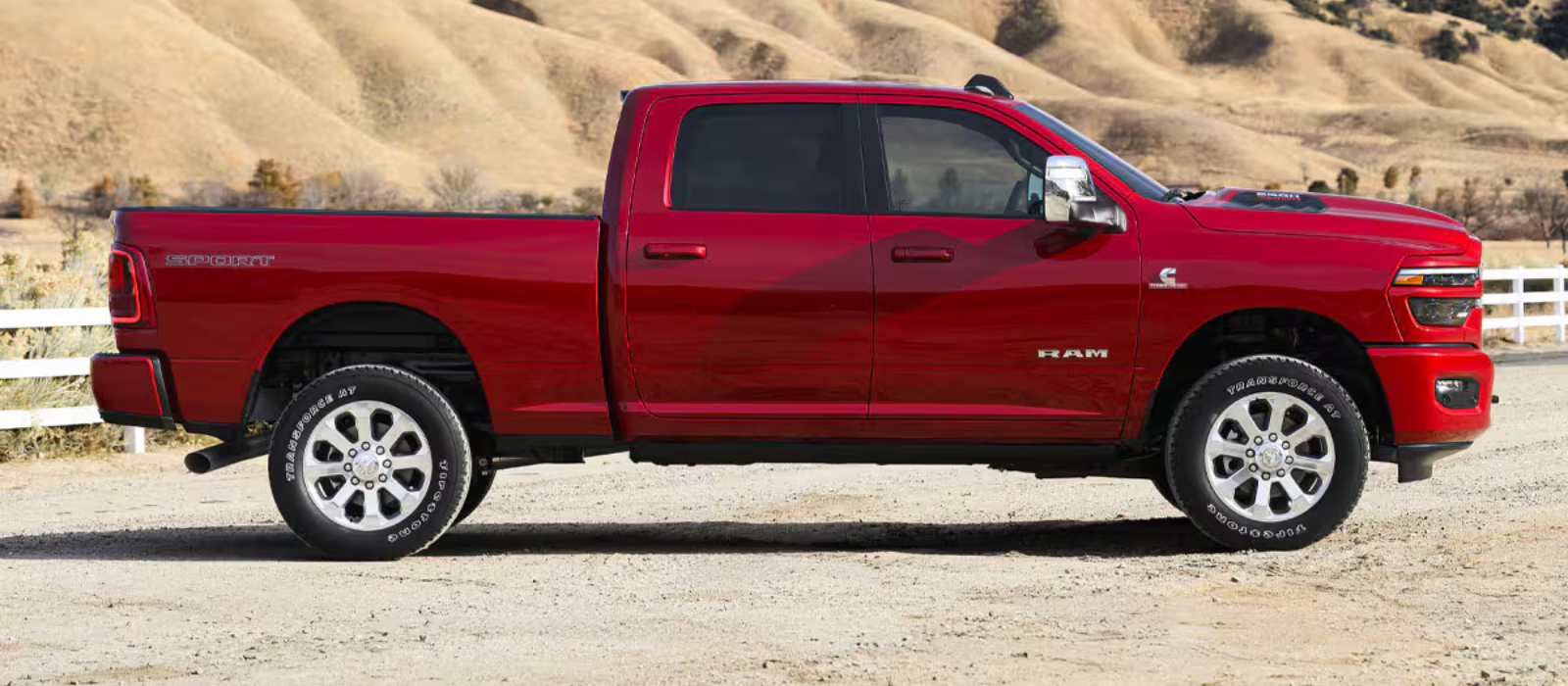
Which Type of Used Truck Should You Buy?
Midsize Truck
Consider a midsize pickup for everyday driving, home projects, outdoor equipment, and lighter trailers.
Half-Ton Truck
Choose a half-ton when you need a balance of towing, payload, passenger comfort, and daily usability.
Heavy-Duty Truck
Move into a heavy-duty truck for larger trailers, greater payload, fifth-wheel equipment, or frequent commercial use.
Match the Truck to the Job
Start with what the truck will do most often. A vehicle that spends most of its time commuting and towing a boat on weekends has different requirements than one hauling equipment to a jobsite every day.
Home Projects and Property Work
A midsize or half-ton truck may provide enough bed space and capability for lumber, landscaping materials, tools, furniture, and routine property maintenance.
Good starting point: Midsize or half-ton pickup
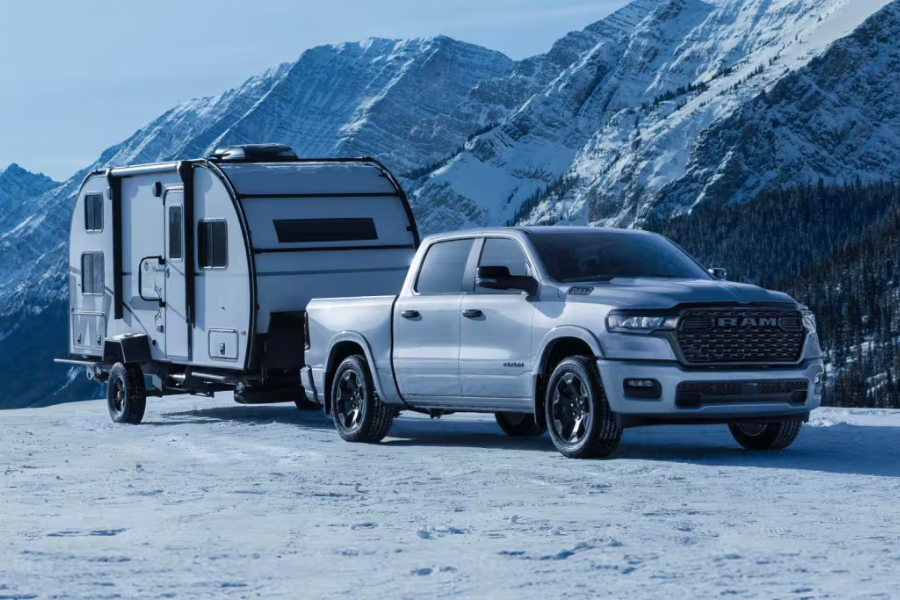
Boats, Campers, and Utility Trailers
A properly configured half-ton truck can support many recreational trailers. Larger campers and equipment trailers may require heavy-duty capability.
Good starting point: Half-ton or heavy-duty pickup
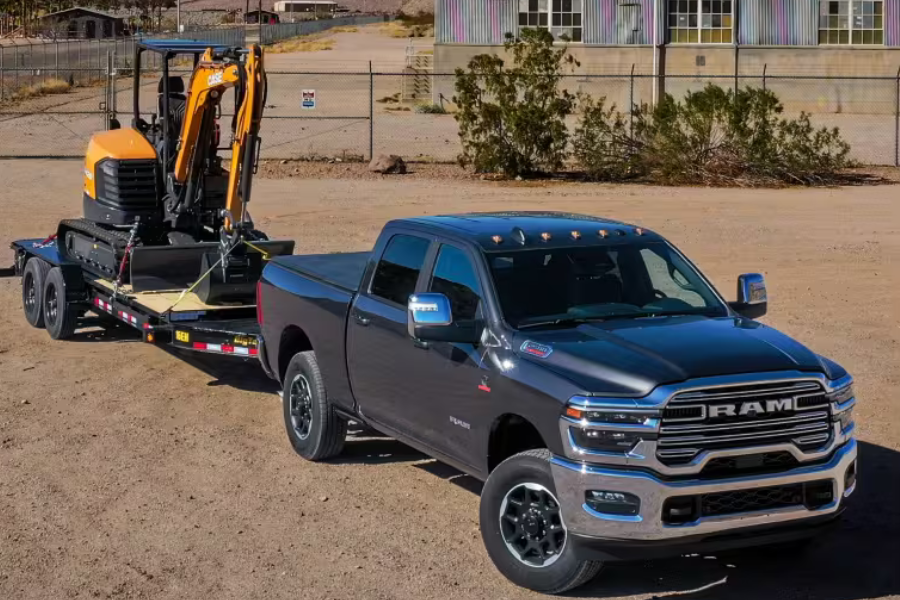
Commercial and Jobsite Use
Consider tool weight, crew size, bed length, trailer use, electrical needs, and how frequently the truck will operate under load.
Good starting point: Half-ton or heavy-duty pickup
Half-Ton or Heavy-Duty?
Choose a Half-Ton Truck When
- The truck will also serve as a daily vehicle
- You tow boats, campers, or utility trailers within its ratings
- You need passenger comfort and useful bed space
- Your work does not require maximum heavy-duty capability
Models to compare: Ram 1500, Ford F-150, Chevrolet Silverado 1500, GMC Sierra 1500, Toyota Tundra, and Nissan Titan
Choose a Heavy-Duty Truck When
- You tow large trailers or equipment frequently
- Your work requires a higher payload rating
- You use fifth-wheel or gooseneck equipment
- You need diesel torque or commercial capability
Models to compare: Ram 2500 and 3500, Ford Super Duty, Chevrolet Silverado HD, and GMC Sierra HD
Gas vs. Diesel Used Trucks
Diesel is not automatically the better choice. The engine should match the work, driving habits, trailer size, and maintenance expectations of the owner.
A Gas Truck May Fit Better When
- The truck is driven daily
- Most trips are relatively short
- Towing is occasional
- The trailer fits comfortably within the truck’s ratings
- You do not need maximum low-speed torque
A Diesel Truck May Fit Better When
- You tow heavy trailers frequently
- You travel longer distances under load
- Low-speed torque is important to your work
- You need fifth-wheel or gooseneck capability
- You understand diesel maintenance requirements
Check the Diesel Service History
Before buying a used diesel truck, review available maintenance records and ask about the fuel system, emissions equipment, cooling system, turbocharger, transmission, and previous towing use.
Do Not Shop by Towing Capacity Alone
A truck may be within its advertised towing limit and still exceed another important rating. Payload, tongue weight, hitch equipment, passengers, cargo, tires, and configuration all matter.
Loaded Trailer Weight
Use the expected loaded weight, including equipment, water, supplies, tools, and cargo.
Available Payload
Payload can include passengers, bed cargo, accessories, hitch equipment, and trailer tongue or pin weight.
Individual Truck Rating
Engine, cab, bed, drivetrain, axle ratio, and factory equipment can change the rating of an individual truck.
Equipment for Michigan Driving
Michigan truck ownership can include highway commuting, rural roads, jobsites, lake trips, campground travel, and changing seasonal conditions. The right equipment depends on where and how the truck will be used.
Four-Wheel Drive
Useful for loose surfaces, rural property, jobsites, boat launches, trails, and changing road conditions.
Tires and Brakes
Inspect tread, tire age, wear patterns, brake feel, vibration, and whether the tires match the truck’s expected use.
Cab and Bed Size
Consider passenger room, tool storage, bed length, parking, visibility, and how the truck will be used every day.
Underbody Condition
Look for corrosion, leaks, damaged coatings, repaired sections, and wear around suspension and steering components.
Used Truck Inspection Checklist
History and Maintenance
- Oil and fluid service records
- Transmission and cooling-system maintenance
- Differential and transfer-case service
- Previous towing or commercial use
- Reported repairs or accident history
- Open safety recalls
Truck Condition
- Frame and underbody corrosion
- Bed, tailgate, hitch, and trailer wiring
- Tires, brakes, steering, and suspension
- Engine startup and transmission operation
- Four-wheel-drive engagement
- Suspension, tire, or engine modifications
Mileage Is Only Part of the Truck’s Story
A higher-mileage truck with documented maintenance and appropriate use may be more appealing than a lower-mileage truck with corrosion, poor repairs, neglected service, or repeated overloading.
Evaluate mileage together with age, condition, maintenance records, engine hours when available, modifications, previous towing use, and how the truck performs during a test drive.
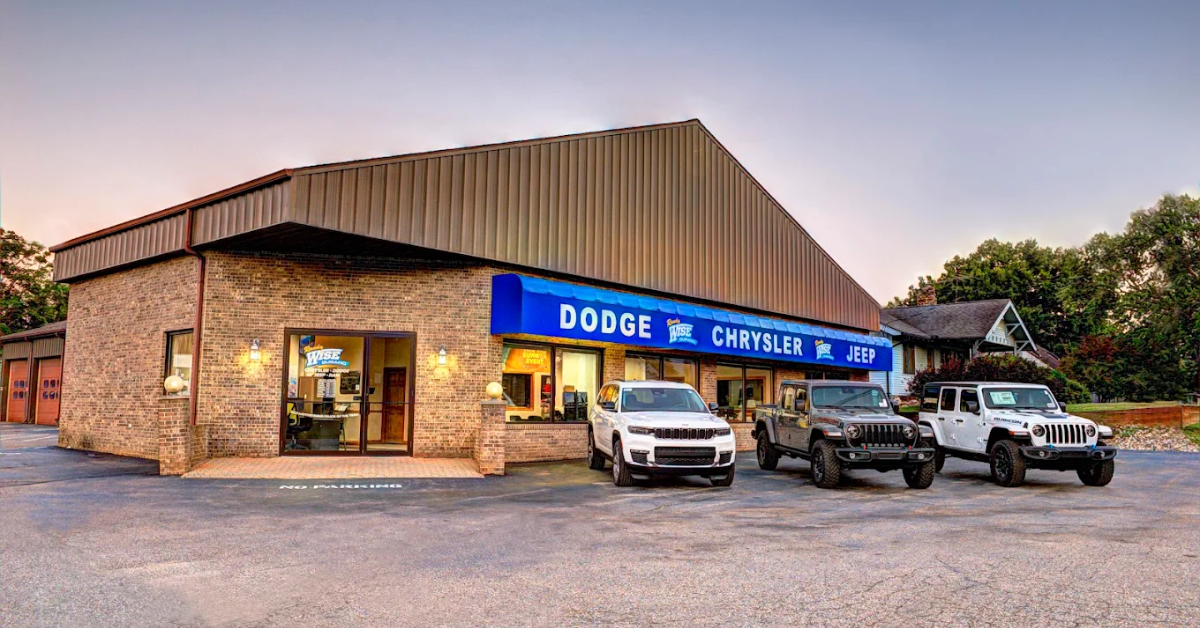
Shop Used Trucks in Durand, MI
Randy Wise Chrysler Dodge Jeep Ram of Durand helps truck shoppers from Durand, Flint, Owosso, Corunna, Swartz Creek, and surrounding Mid-Michigan communities compare used trucks from multiple manufacturers.
Used inventory changes regularly, so review the individual vehicle listing and confirm its equipment, condition, capability information, warranty status, and availability.
Frequently Asked Questions
What type of used truck is best for work?
The best choice depends on the tools, passengers, cargo, and trailers involved. A midsize or half-ton truck may fit lighter work, while a heavy-duty truck may be more appropriate for large equipment and frequent heavy towing.
Should I buy a used gas or diesel truck?
A gas truck may fit mixed driving and occasional towing. A diesel truck may be better suited to frequent heavy towing, longer trips under load, and buyers who need greater low-speed torque.
How many miles is too many for a used truck?
There is no universal mileage cutoff. Maintenance history, corrosion, previous use, engine hours, modifications, and overall condition can be more important than mileage alone.
What should I check before buying a used truck for towing?
Confirm the truck’s specific towing and payload ratings, hitch equipment, trailer wiring, brakes, cooling system, transmission operation, tires, axle ratio, service history, and signs of previous heavy towing.
Where can I shop for used trucks near Flint or Owosso?
Drivers from Flint, Owosso, Corunna, Swartz Creek, and nearby Mid-Michigan communities can browse used trucks at Randy Wise Chrysler Dodge Jeep Ram of Durand.
Used-vehicle and capability disclaimer: Used inventory, model years, features, equipment, condition, mileage, warranties, and availability may change. Images are illustrative and do not represent specific used trucks currently offered for sale.
Maximum towing and payload figures vary by model year, engine, cab, bed, drivetrain, axle ratio, factory equipment, passengers, cargo, accessories, and trailer configuration. Always confirm the individual truck’s ratings and condition before towing or hauling.
Connect with us

