



Yes, you can trade in a vehicle even when you still owe money on the loan. First, the dealership compares the vehicle’s appraised value with the current loan payoff. That comparison shows whether you have positive or negative equity.
Before choosing your next vehicle, review both numbers. Doing so can make the trade-in and financing process easier to understand.
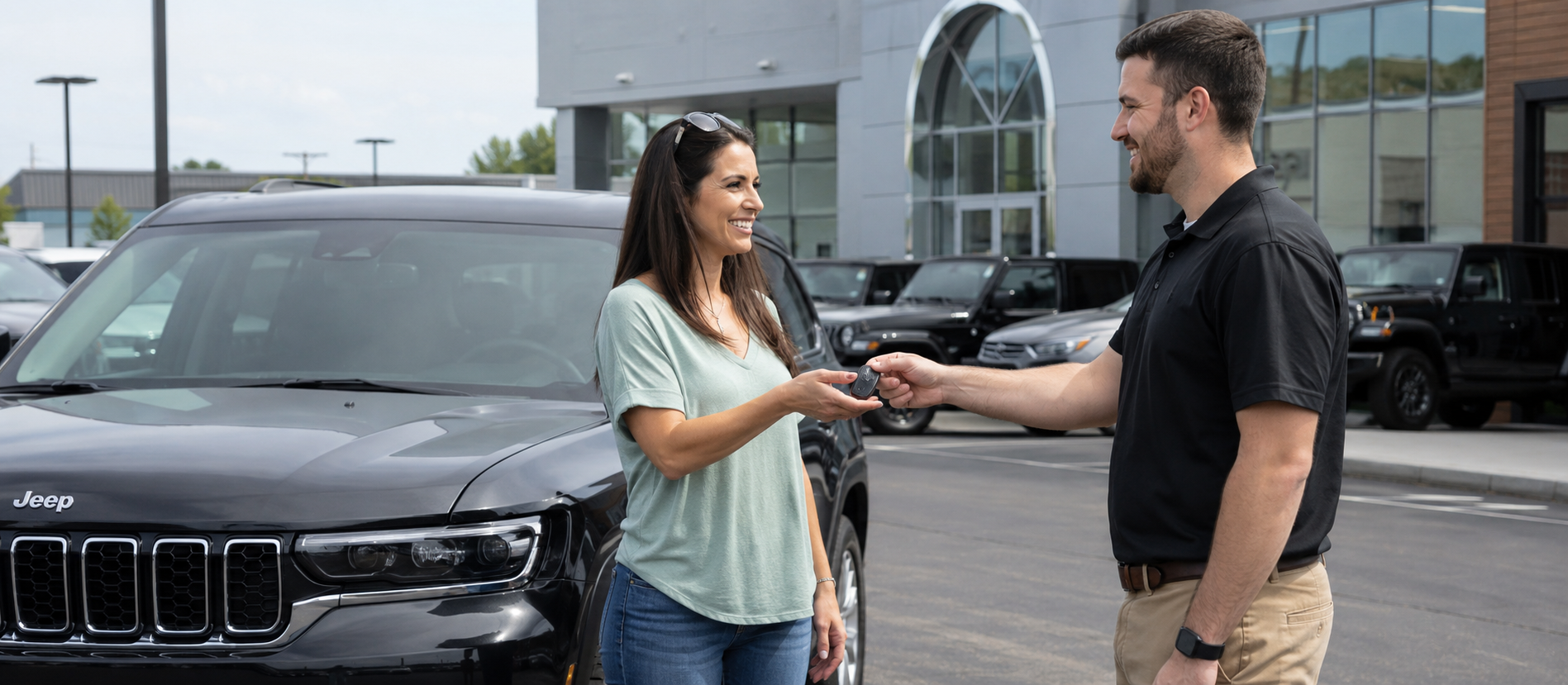
Yes, You Can Trade In a Vehicle With a Loan
You do not need to pay off the entire loan before trading the vehicle. Instead, the dealership confirms the payoff with your lender and includes that amount in the trade review.
Next, compare these two figures:
Trade Value Compared With Loan Payoff
Trade value is higher than the payoff: Positive equity
Trade value is lower than the payoff: Negative equity
How Trading In a Financed Vehicle Works
1. Check the Payoff
Ask your lender for the amount needed to close the current loan. This figure may differ from the balance on your last statement because interest can change daily.
2. Appraise the Vehicle
The dealership reviews the vehicle’s age, mileage, condition, history, equipment, and market demand. These details help determine its trade value.
3. Compare the Amounts
Finally, subtract the payoff from the trade value. The result shows whether the vehicle has positive or negative equity.
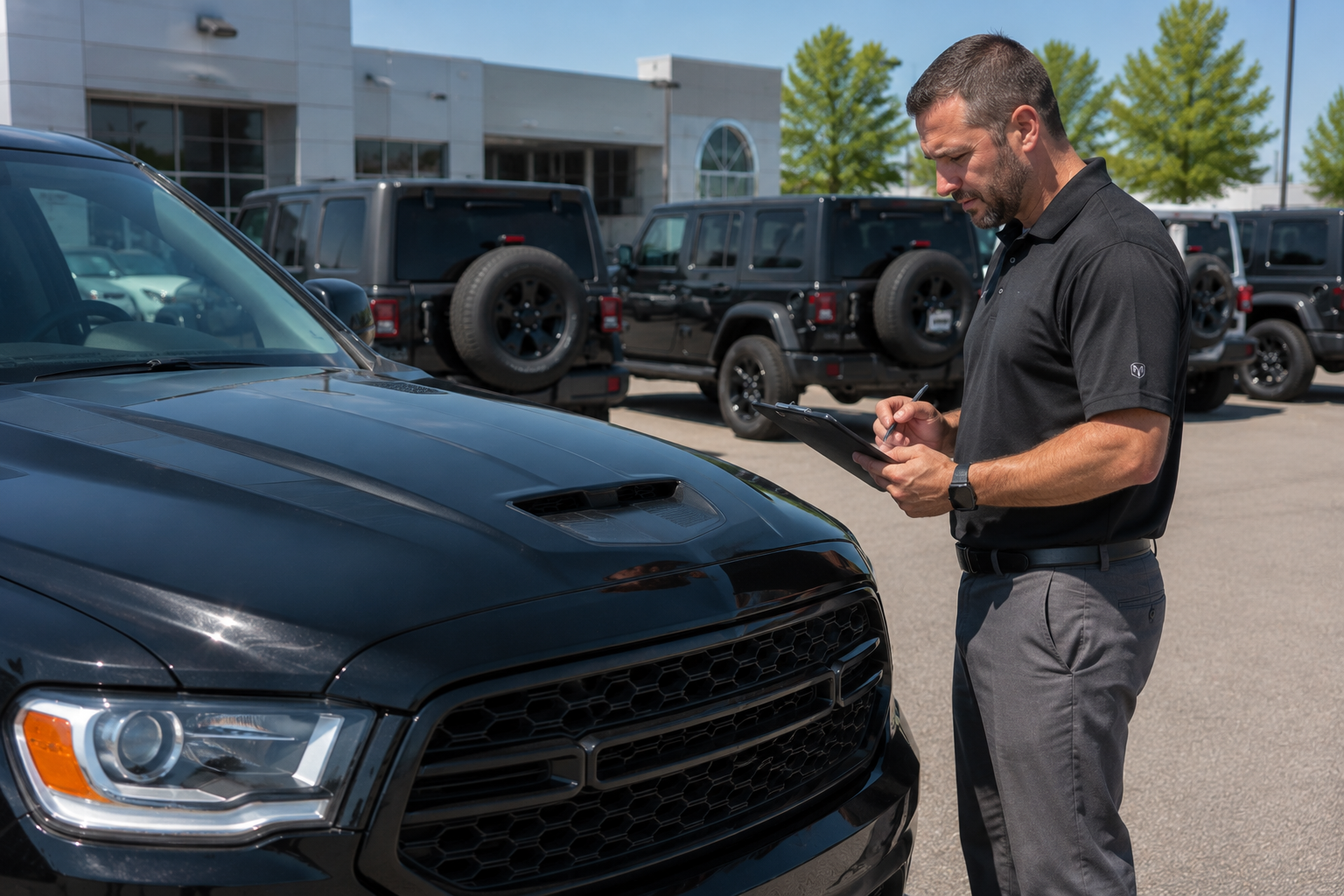
Positive Equity vs. Negative Equity
Positive Equity
Positive equity means the vehicle is worth more than the current payoff.
Example:
Trade value: $20,000
Loan payoff: $16,000
Positive equity: $4,000
In this example, you may use the $4,000 difference toward your next vehicle. Final use of that equity depends on the complete agreement.
Negative Equity
Negative equity means the payoff is higher than the vehicle’s trade value.
Example:
Trade value: $17,000
Loan payoff: $21,000
Negative equity: $4,000
As a result, you still need to account for the $4,000 difference during the trade.
What Can You Do With Negative Equity?
Negative equity does not always stop a trade. However, it can increase the cost of the next purchase. Your choices depend on the payoff, trade value, replacement vehicle, down payment, credit review, and lender approval.
Pay the Difference
You may pay some or all of the gap between the trade value and the payoff.
Add It to New Financing
In some cases, a lender may allow you to add negative equity to the new loan. Still, this choice raises the amount financed and may increase the total interest.
Choose a Lower-Priced Vehicle
A more affordable replacement vehicle may make the overall agreement easier to manage.
Wait and Reduce the Balance
You could also keep the vehicle longer and make more payments. Over time, that may improve your equity position.
Review the Full Cost
If you add negative equity to another loan, review the amount financed, down payment, loan term, estimated payment, and total cost.
Also, remember that a lower monthly payment may come from a longer loan term. Therefore, compare the full cost instead of looking only at the payment.
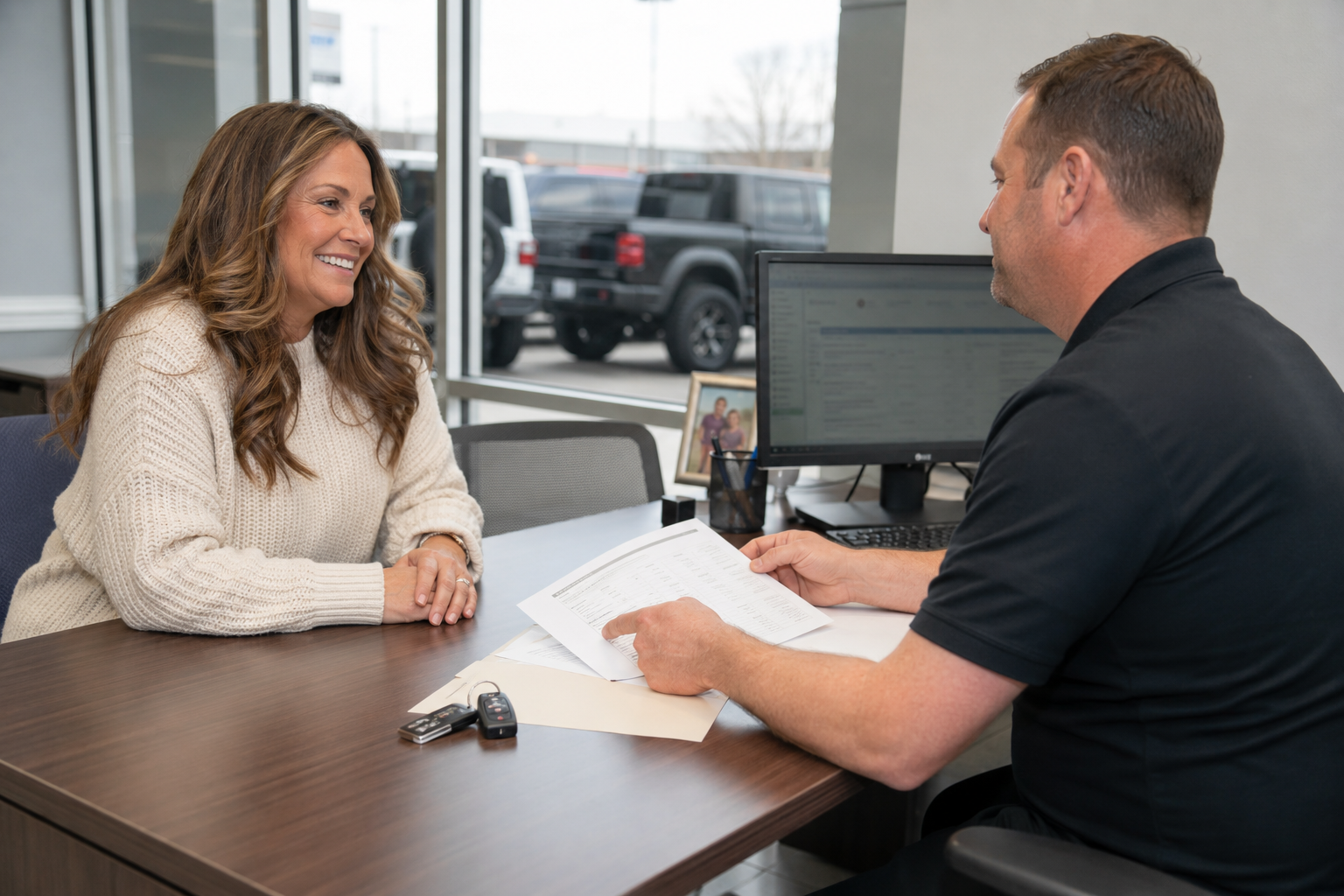
What Should You Know Before Visiting the Dealership?
Review Your Current Loan
- Lender name
- Account information
- Estimated payoff amount
- Payoff quote expiration date
- Any lender instructions
Review Your Vehicle
- Current mileage
- Maintenance and repair history
- Past damage or accidents
- Installed options and accessories
- Mechanical or cosmetic concerns
What to Bring for a Trade Appraisal
Vehicle Information
Bring the registration, current mileage, VIN details, and any service records you have.
Loan Information
Bring the lender name, account details, and a current payoff quote when possible.
Keys and Accessories
Include all keys, remotes, manuals, removable equipment, and accessories that belong with the vehicle.

Should You Appraise the Trade Before Choosing Another Vehicle?
You can begin with either step. Still, knowing the trade value and payoff difference can help you set a clearer budget before you shop.
Check Your Equity
Compare the estimated trade value with the payoff before focusing on the next vehicle’s price or monthly payment.
Set a Budget
Include the vehicle price, trade equity, down payment, estimated taxes and fees, loan term, and total amount financed.
Compare More Options
Looking at both new and used inventory may give you more choices within your budget.
Trading In a Financed Vehicle in Michigan
Drivers from Durand, Flint, Owosso, Corunna, Swartz Creek, and nearby Mid-Michigan communities can start by estimating their vehicle’s value. After that, gather current payoff information from the lender.
Keep each number separate as you review the agreement. For example, look at the trade value, payoff, vehicle price, down payment, loan term, and amount financed one at a time.
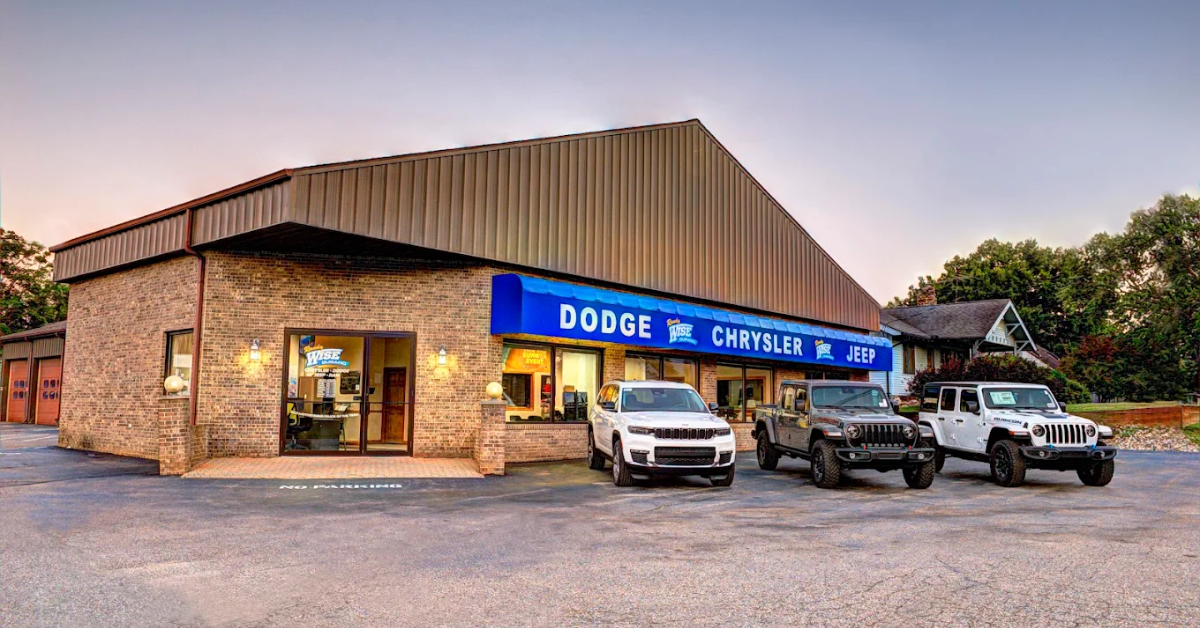
Value Your Trade in Durand, MI
Randy Wise Chrysler Dodge Jeep Ram of Durand can help you review your estimated trade value, current payoff, and possible next steps.
The online tool provides an estimate. Then, the dealership reviews the vehicle and confirms its final trade value.
Frequently Asked Questions
Can I trade in a vehicle if I still owe money on it?
Yes. The dealership compares the appraised trade value with the current payoff. That difference shows whether the trade has positive or negative equity.
What happens to my current auto loan?
The dealership and lender handle the payoff as part of the trade. The exact steps depend on the lender’s instructions, the trade value, and the final agreement.
What is positive equity?
Positive equity means the vehicle is worth more than the payoff. You may use the available difference toward the next vehicle, depending on the final terms.
What is negative equity?
Negative equity means the payoff is higher than the trade value. You must account for that difference before completing the trade.
Can I add negative equity to a new loan?
A lender may allow it in an approved agreement. However, doing so raises the amount financed and may increase the total interest you pay.
Does an online trade estimate include my payoff?
No. The trade value and loan payoff are separate figures. You can enter an estimated payoff online, but you should confirm the final amount with your lender.
Where can I value my trade near Flint or Owosso?
Drivers from Flint, Owosso, Corunna, Swartz Creek, and nearby Mid-Michigan communities can request a trade estimate from Randy Wise Chrysler Dodge Jeep Ram of Durand.
Finance and trade disclaimer: Online values provide estimates only. The dealership reviews the vehicle’s condition, history, mileage, equipment, and market factors before setting a final trade value. Confirm the loan payoff directly with your lender.
A lender must review and approve financing. Rates, terms, down payment needs, and the handling of negative equity depend on the applicant, vehicle, lender, and full agreement.
This article offers general information and does not provide legal, tax, or financial advice.
Consumer resources:
FTC Negative Equity Guide|CFPB Negative Equity Research
Connect with us

