





The right commercial vehicle should fit the work your business performs every day. Before choosing a truck or van, consider what you carry, what you tow, where you drive, and how the vehicle may need to change as your business grows.
Businesses shopping for commercial trucks in Durand, MI can compare Ram pickups, heavy-duty trucks, chassis cabs, and cargo vans at Randy Wise Chrysler Dodge Jeep Ram of Durand. The best choice depends on the job, not simply the size of the vehicle.
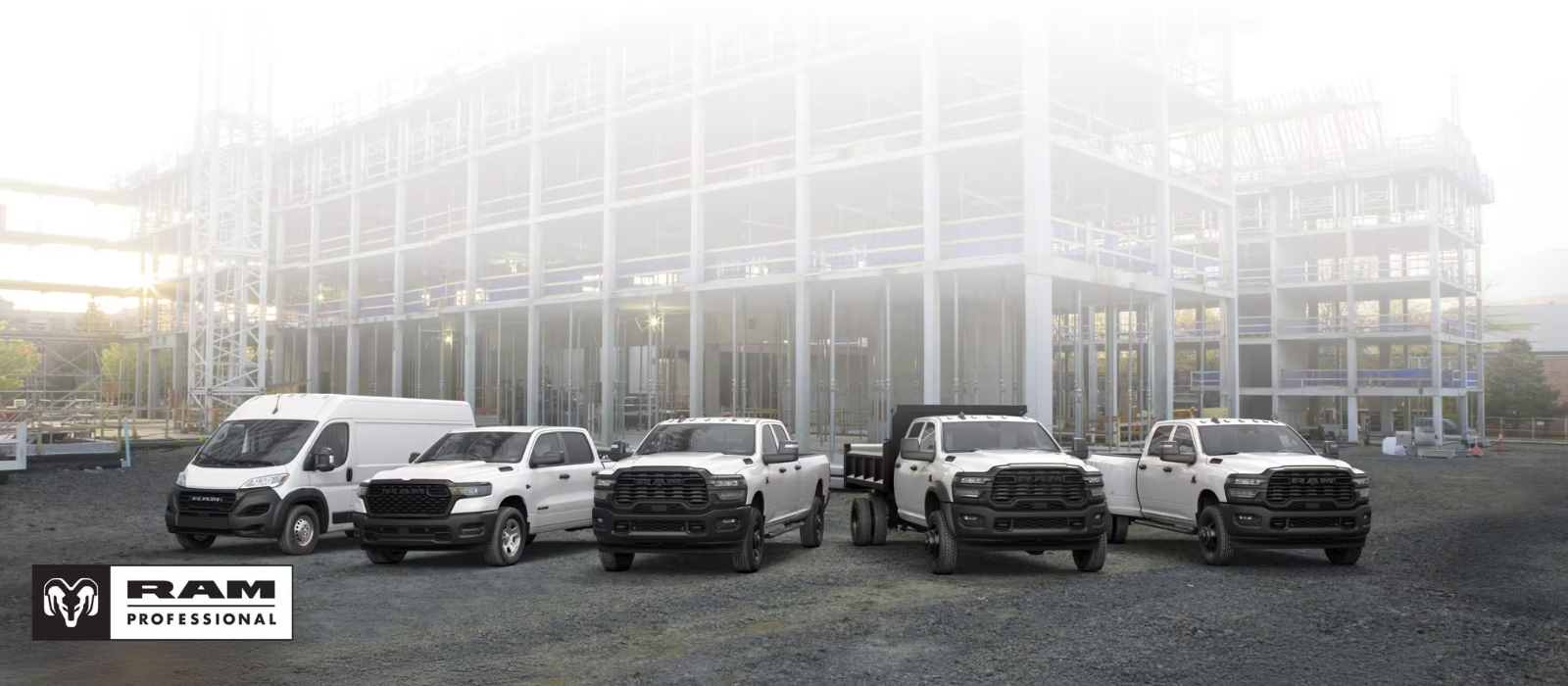
Should Your Business Choose a Truck, Van, or Chassis Cab?
Commercial Pickup
Choose a pickup when your work involves towing, open-bed cargo, jobsite access, equipment, or a mix of business and daily driving.
Cargo Van
Consider a cargo van when tools, packages, parts, or supplies need enclosed storage and easy access throughout the workday.
Chassis Cab
Select a chassis cab when your operation requires a specialized body such as a flatbed, service body, utility body, or dump body.
Start with the Work Your Vehicle Must Perform
First, make a list of the vehicle’s daily responsibilities. A landscaping company may need a trailer and open-bed storage, while an electrician may need secure shelving and organized interior access.
What Will You Carry?
List your tools, supplies, materials, equipment, and typical cargo weight. Also, consider how employees will load and unload everything.
What Will You Tow?
Identify the trailer, equipment, or load you expect to tow. Include the trailer itself when calculating the total weight.
Where Will You Drive?
Think about highways, city streets, jobsite terrain, parking areas, rural roads, delivery routes, and Michigan winter conditions.
Who Will Ride Along?
Determine how many employees need seats and whether you need additional cab space for paperwork, electronics, or personal gear.
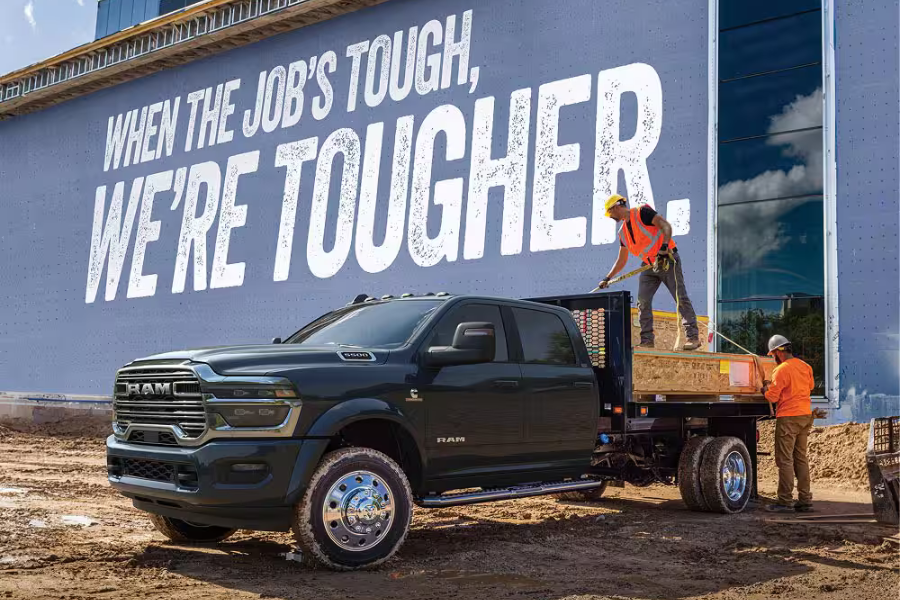
When Does a Commercial Pickup Make Sense?
A pickup can support contractors, farms, landscaping companies, construction crews, property managers, and businesses that regularly move equipment or trailers.
Ram 1500
A Ram 1500 may suit businesses that need a versatile pickup for lighter-duty towing, supplies, site visits, estimates, and everyday transportation.
It can also make sense when one vehicle must support both work responsibilities and regular passenger use.
Ram 2500 or Ram 3500
A Ram Heavy Duty truck may better support frequent towing, heavier equipment, larger trailers, substantial payload needs, or demanding jobsite use.
However, the correct configuration depends on the engine, cab, bed, axle, drivetrain, equipment, and trailer setup.
Do Not Choose a Truck by Model Name Alone
Two trucks from the same model line can have different towing and payload ratings. Therefore, review the exact vehicle configuration before deciding whether it fits your business.
Also, account for passengers, cargo, accessories, trailer tongue weight, and installed equipment. Never exceed the manufacturer’s ratings for the vehicle.
When May a Ram ProMaster Cargo Van Work Better?
A commercial van may offer advantages when your business needs enclosed cargo space, standing room, side-door access, or organized tool storage.
Service Businesses
Electricians, plumbers, HVAC technicians, repair companies, and mobile service providers can organize tools and parts inside the cargo area.
Delivery Operations
An enclosed van can protect packages and supplies from rain, snow, road salt, and changing Michigan weather.
Mobile Workspaces
Businesses may add shelves, bins, partitions, work surfaces, lighting, or other equipment based on the job.
Before choosing a roof height, wheelbase, or cargo configuration, measure the largest items your business carries. In addition, consider garage clearance, parking access, loading areas, and interior movement.

Choose the Upfit Before Finalizing the Vehicle
An upfit changes a standard truck or van into a vehicle designed for a specific trade. Because the equipment adds weight and affects vehicle use, discuss the complete upfit before choosing the base vehicle.
Service Bodies
Exterior compartments can provide organized access to tools, parts, and small equipment.
Flatbeds and Dump Bodies
These configurations may support construction materials, landscaping supplies, equipment, or debris.
Van Shelving
Shelves, bins, racks, and partitions can help secure tools and improve cargo organization.
Business Graphics
Exterior graphics can turn the vehicle into a visible part of your company’s local branding.
Finally, confirm that the upfit works with the selected wheelbase, roof, body, payload capacity, electrical system, and expected use.
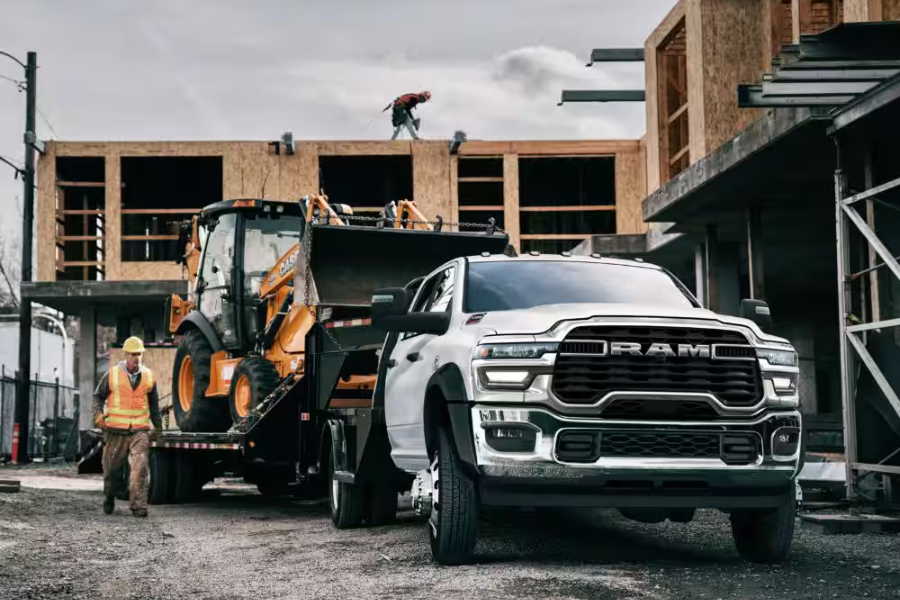
Ask About Current Business Incentives and Tax Considerations
Qualifying businesses may have access to commercial vehicle incentives, upfit programs, depreciation options, or federal tax deductions. However, these programs can change, and not every vehicle or business will qualify.
Current Commercial Programs
Ask the commercial sales team about current offers, eligible models, deadlines, equipment requirements, and application steps.
Upfit Support
Some programs may help qualified businesses with eligible equipment, graphics, or other professional vehicle upgrades.
Tax Planning
Discuss vehicle depreciation, business-use requirements, Section 179, and other possible deductions with a qualified tax professional.
Do Not Purchase a Vehicle Based Only on a Possible Deduction
A tax deduction does not reduce the purchase price dollar for dollar. Eligibility and value depend on the business, vehicle, purchase date, use, tax position, and current law.
Therefore, choose the vehicle because it supports the work first. Then, ask a tax professional how the transaction may affect your business.
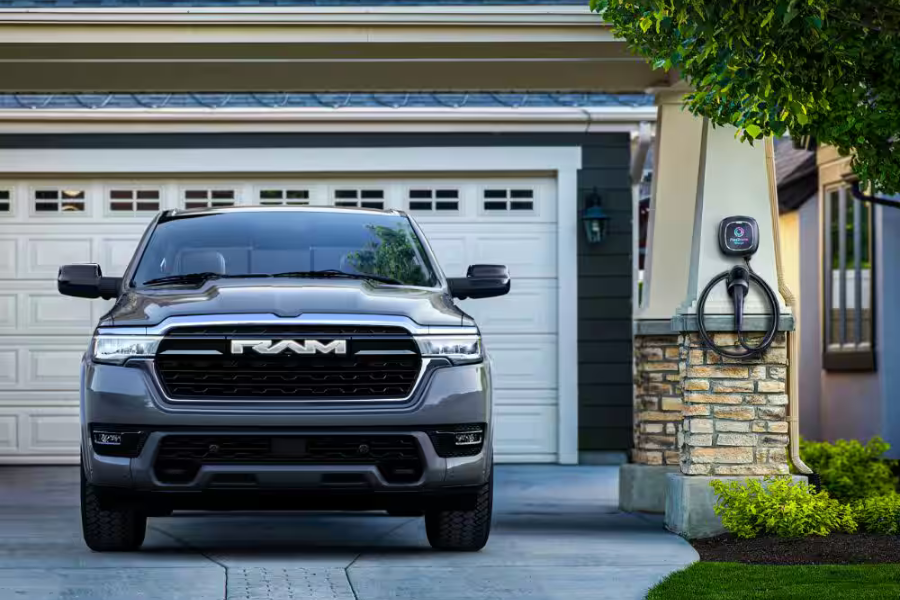
Plan Fueling or Charging Around the Workday
The right energy source depends on your route, daily mileage, towing needs, downtime, local infrastructure, and access to fuel or charging.
Daily Routes
Map the longest normal route and include unexpected stops, detours, weather, and additional jobsite travel.
Vehicle Downtime
Identify when the vehicle sits long enough to refuel, recharge, load equipment, or complete scheduled maintenance.
Facility Requirements
Businesses considering electrified vehicles should review site access, electrical capacity, charger installation, and future fleet growth.
Commercial electric-vehicle availability, range, charging performance, and equipment vary. Confirm current vehicle information before building an operating plan around a specific model.
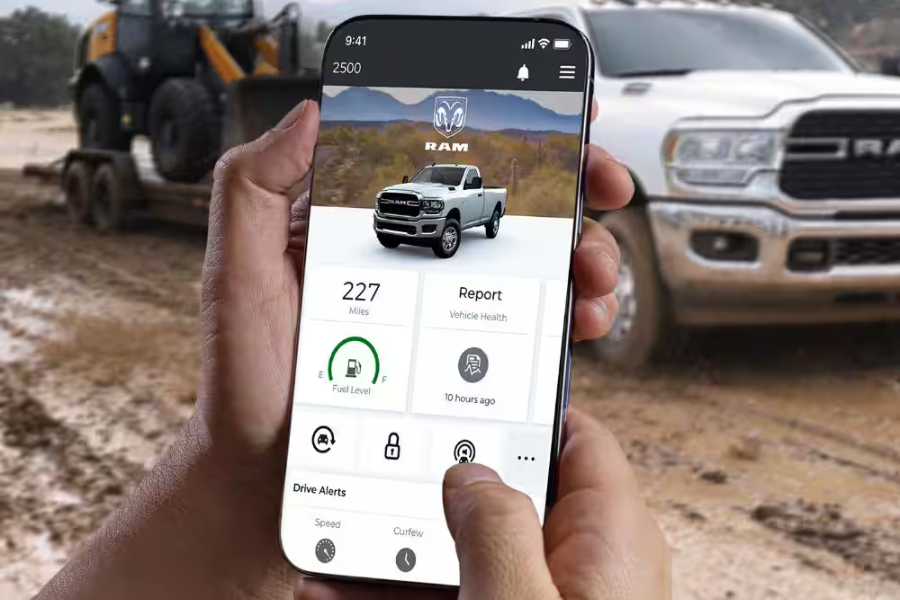
Consider How You Will Manage the Vehicle or Fleet
A single work truck and a growing fleet require different levels of oversight. Even so, every business benefits from tracking maintenance, mileage, operating costs, and driver needs.
Maintenance Tracking
Keep records of oil changes, tires, brakes, inspections, repairs, recalls, and vehicle downtime.
Route and Location Tools
Compatible connected services may provide location information, geofencing, and other tools for managing mobile operations.
Vehicle Diagnostics
Available fleet technology may help businesses review maintenance information and vehicle operating data.
Features, subscriptions, hardware, compatibility, and data access vary by vehicle. Ask which connected services work with the commercial vehicle you are considering.

Compare Commercial Financing Options
Before choosing how to pay for a work vehicle, consider how long the business plans to keep it, how much it will drive, and whether it needs an upfit.
Purchase
Ownership may appeal to businesses that plan to keep the vehicle for several years or require extensive customization.
Finance
Commercial financing can spread the purchase cost over an approved term while the business builds ownership in the vehicle.
Lease
A lease may suit some businesses that prefer planned replacement cycles or want to preserve other available capital.
Upfit Financing
Some approved commercial programs may allow eligible upfit costs to become part of the vehicle financing.
Credit approval, available terms, required documents, vehicle eligibility, down payment, and program rules vary.
Commercial Vehicle Selection Checklist
Work Requirements
- Daily cargo and equipment
- Expected payload
- Trailer and towing needs
- Number of passengers
- Jobsite and road conditions
Vehicle Configuration
- Pickup, van, or chassis cab
- Cab, bed, roof, and wheelbase
- Drivetrain and powertrain
- Safety and driver technology
- Upfit compatibility
Ownership Planning
- Purchase, finance, or lease
- Fuel or charging access
- Insurance requirements
- Maintenance and downtime
- Future business growth
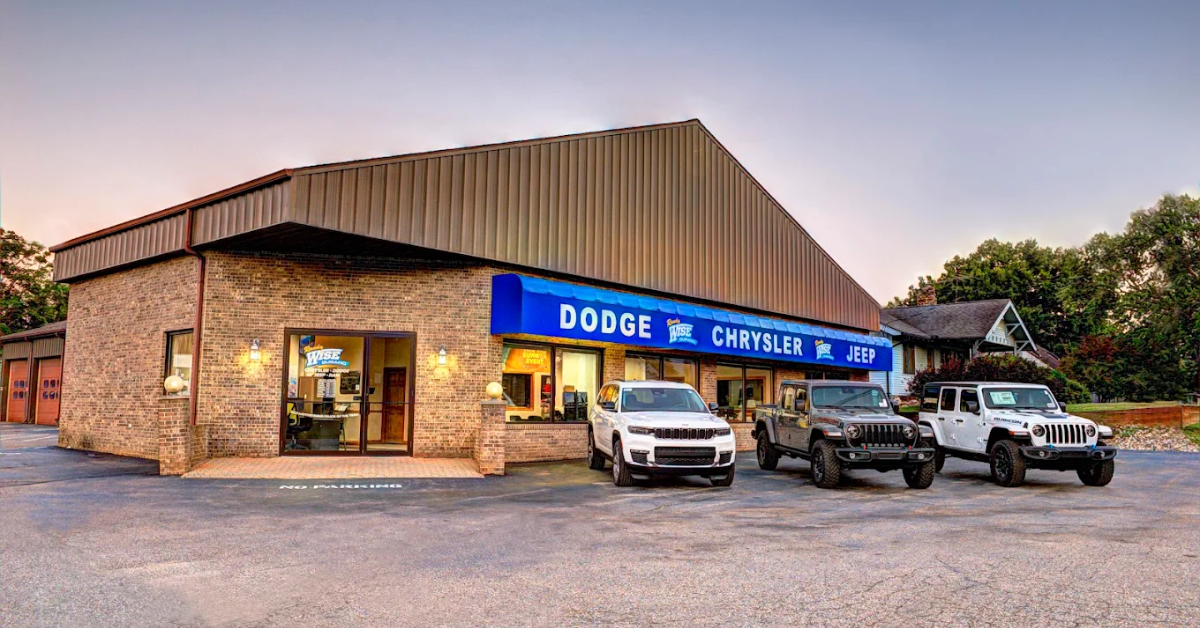
Shop Commercial Trucks and Vans in Durand, MI
Randy Wise Chrysler Dodge Jeep Ram of Durand helps businesses from Durand, Flint, Owosso, Corunna, Swartz Creek, and surrounding Michigan communities compare Ram commercial trucks and vans.
Bring information about your cargo, towing, passengers, routes, upfit needs, and budget. The commercial sales team can help you review available vehicles and determine which configurations deserve a closer look.
Frequently Asked Questions
Should my business choose a commercial truck or cargo van?
Choose a truck when you need an open bed, frequent towing, jobsite capability, or room for larger exterior equipment. A cargo van may work better when you need enclosed storage, interior organization, weather protection, and easy access to tools or deliveries.
What is the difference between a Ram 1500 and a Ram Heavy Duty truck?
A Ram 1500 may support lighter-duty business use and a mix of work and daily travel. A Ram 2500 or Ram 3500 may better fit frequent towing, heavier equipment, and more demanding workloads. Compare the exact ratings for each configuration.
When should a business consider a Ram Chassis Cab?
Consider a chassis cab when the business needs a specialized body such as a service body, flatbed, utility body, or dump body. Choose the upfit and required capacity before finalizing the base vehicle.
What types of businesses can use a Ram ProMaster?
A Ram ProMaster may support delivery services, contractors, electricians, plumbers, HVAC companies, mobile repair operations, and other businesses that need enclosed and organized cargo space.
Can a commercial vehicle upfit be financed?
Some approved commercial financing programs may include eligible upfit costs. Availability, limits, credit requirements, and qualifying equipment vary, so confirm the current terms before making a decision.
Can a commercial truck or van qualify for a business tax deduction?
Some commercial vehicles and upfits may qualify for federal tax treatment such as depreciation or Section 179. Eligibility depends on current law and the business’s circumstances. Consult a qualified tax professional before relying on any deduction.
Where can I shop for commercial trucks near Flint or Owosso?
Businesses from Flint, Owosso, Corunna, Swartz Creek, and nearby Michigan communities can browse commercial inventory at Randy Wise Chrysler Dodge Jeep Ram of Durand.
Commercial vehicle disclaimer: Towing, payload, gross vehicle weight, range, charging, equipment, and other capabilities vary by model and configuration. Always review the official vehicle ratings and operating instructions before carrying cargo, towing, or installing an upfit.
Financing, leasing, commercial programs, incentives, tax treatment, and upfit support are subject to eligibility, availability, approval, current terms, and change. Consult qualified financial, insurance, legal, and tax professionals when appropriate.
Independent upfits can affect weight, operation, warranty coverage, vehicle performance, and legal compliance. Confirm compatibility with the vehicle manufacturer, upfitter, dealership, and applicable regulations.
Commercial resources:
Commercial Sales | Commercial Inventory | Ram Professional | Ram Professional Upfits | Ram Professional Incentives
Connect with us

