


Six Signs Your Vehicle May Need Brake Service
Squealing or Squeaking
Frequent squealing may point to worn brake pads or another issue that needs an inspection.Grinding Sounds
Grinding can mean that brake material has worn down and metal parts are contacting each other.Vibration While Braking
A pulsing pedal, shaking steering wheel, or vehicle vibration may signal uneven wear or damaged brake parts.Pedal Feels Different
A soft, low, hard, or sinking pedal can point to a problem that requires prompt attention.Vehicle Pulls to One Side
If the vehicle moves left or right while braking, the brake system, tires, or suspension may need inspection.Longer Stopping Distance
Schedule service when the vehicle takes more time or distance than usual to slow down.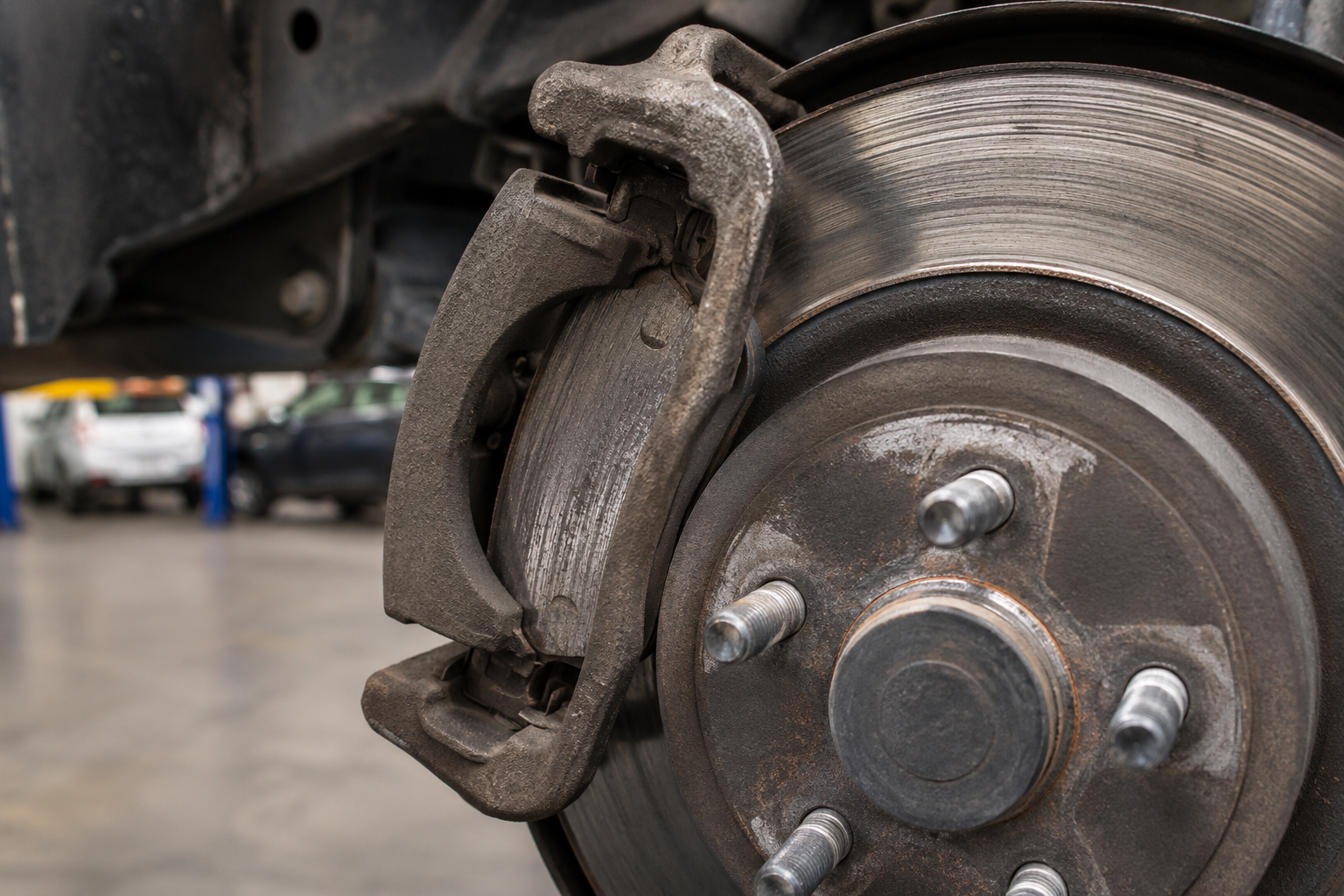
What Do Squealing and Grinding Brakes Mean?
Brake noises do not always mean the same thing. For example, light moisture can sometimes create a brief sound when you first begin driving. A noise that continues, returns often, or grows louder needs more attention.Squealing Brakes
A high-pitched squeal may come from a brake-pad wear indicator. However, dust, moisture, surface rust, or another brake component can also create noise. Therefore, a technician needs to inspect the system before confirming the cause.Grinding Brakes
Grinding needs prompt attention because the brake pads may have worn through their friction material. Continued driving could damage the rotors, calipers, or other brake parts. As a result, the repair may become more extensive.Stop Driving and Arrange Help When
Some symptoms need more than a routine appointment. Stop in a safe location and arrange professional help when the vehicle cannot stop normally or when continuing to drive may create a safety risk.Pedal Drops or Sinks
The pedal travels toward the floor or fails to provide normal braking response.Red Brake Light Stays On
The red light remains on after you fully release the parking brake.Stopping Power Drops
The vehicle takes much longer to stop or does not slow down as expected.Smoke, Fluid, or Strong Odor
You notice smoke, leaking fluid, extreme heat, or a strong burning smell near a wheel.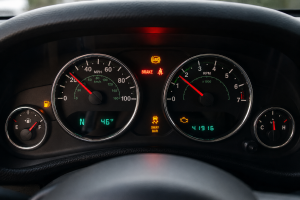
What Do the Brake and ABS Warning Lights Mean?
First, make sure you have fully released the parking brake. Then, check the owner’s manual for guidance that applies to your vehicle and warning-light combination.Red Brake Warning Light
The red brake light may point to an applied parking brake, low brake fluid, or a hydraulic brake-system problem. If the light stays on after you release the parking brake, treat it as urgent. A brake-system problem may increase the effort or distance needed to stop.Yellow ABS Warning Light
An ABS light means the anti-lock portion of the braking system needs service. The normal brake system may still operate when only the ABS light appears. Even so, schedule an inspection as soon as possible to restore anti-lock braking support.What if Both Lights Appear?
A red brake light and an ABS light appearing together can signal a more serious brake-system problem. Therefore, avoid driving the vehicle and arrange an inspection immediately. Schedule Brake ServiceOther Brake Symptoms You Should Not Ignore
Burning Smell
A sharp burning smell after braking may point to overheated components. Pull over safely and allow the system to cool before seeking service.Heat Near One Wheel
One unusually hot wheel may suggest that a brake is dragging or failing to release fully.Brake Fluid Leak
Fluid near a wheel or under the vehicle may affect hydraulic pressure. Do not drive when the pedal or stopping response also changes.Parking Brake Problems
A loose, stuck, or ineffective parking brake also needs attention, especially when the vehicle will not remain secure on an incline.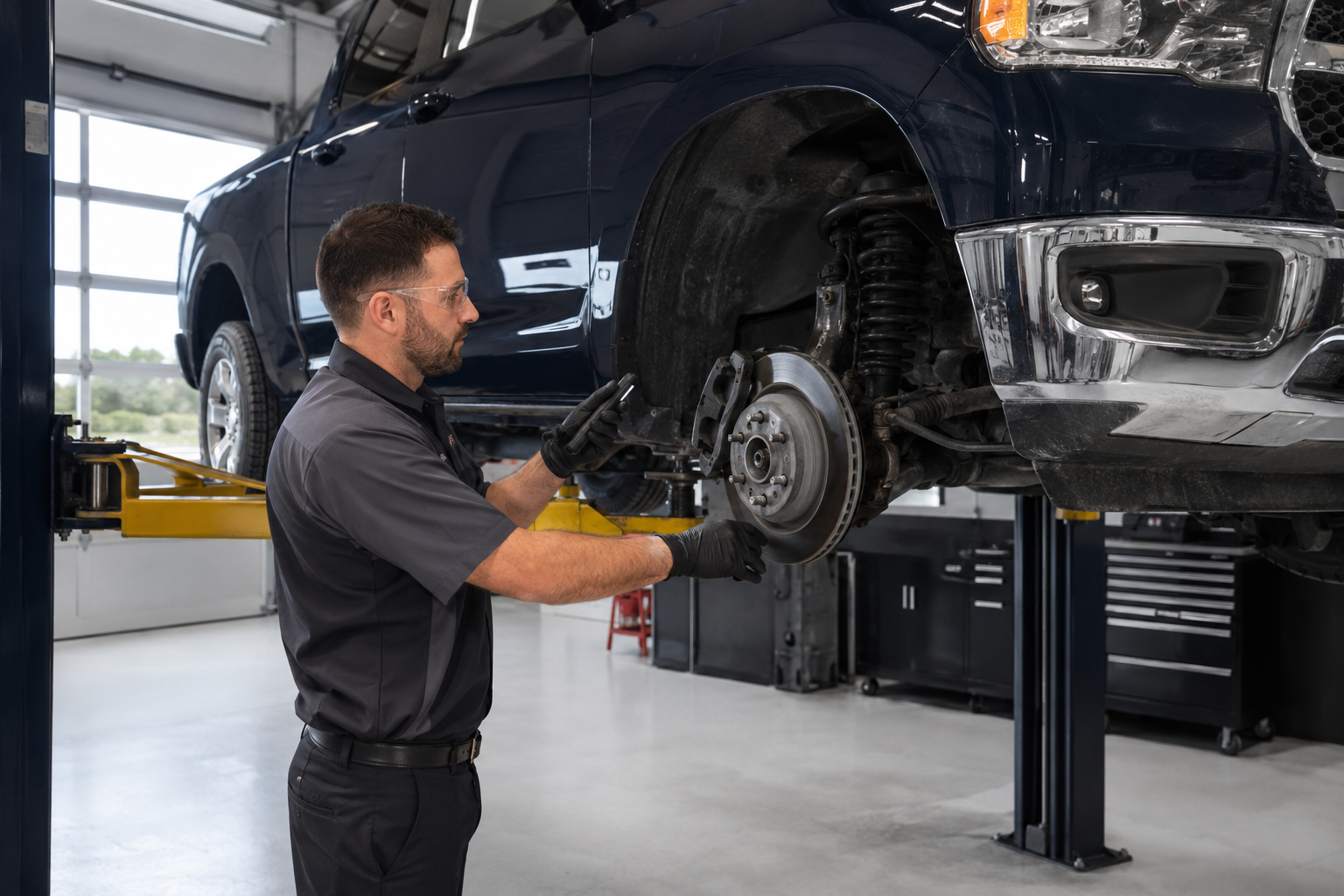
What Happens During a Brake Inspection?
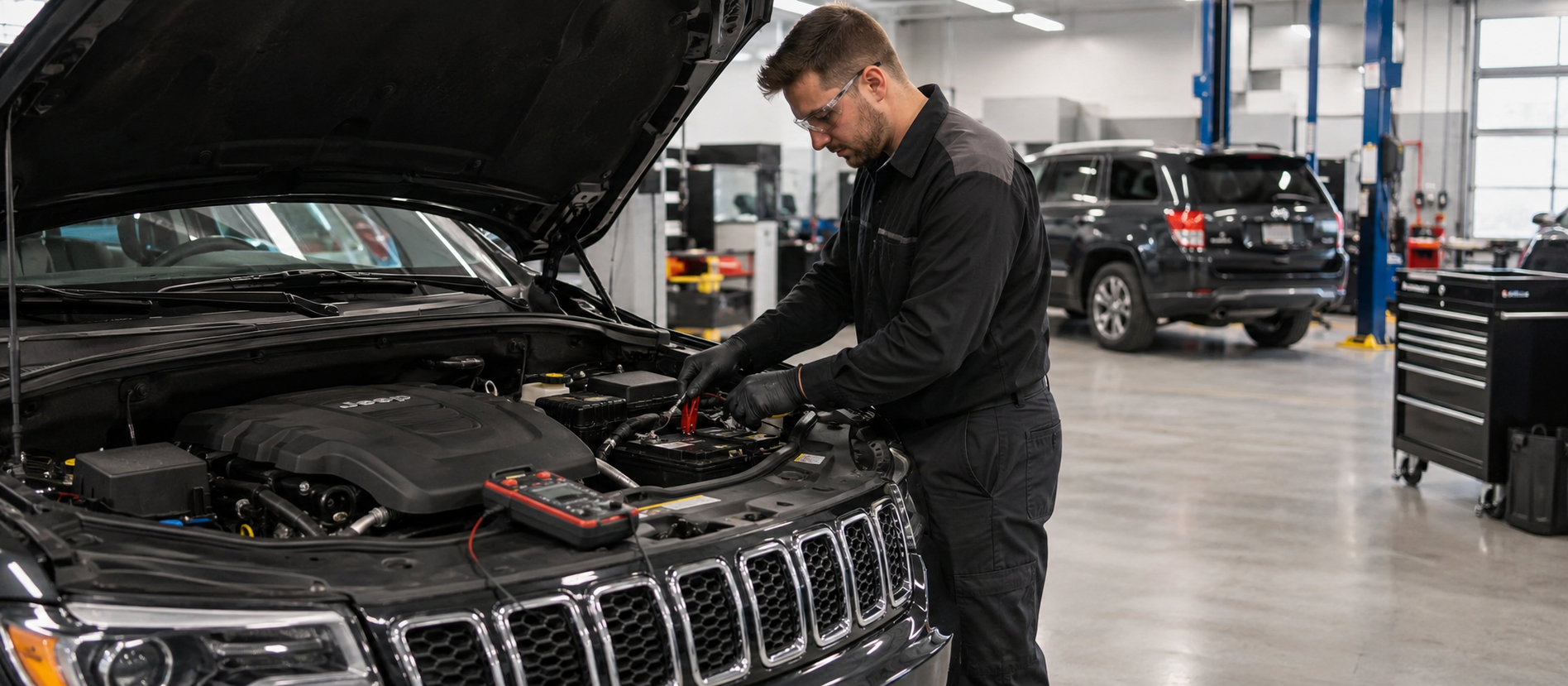
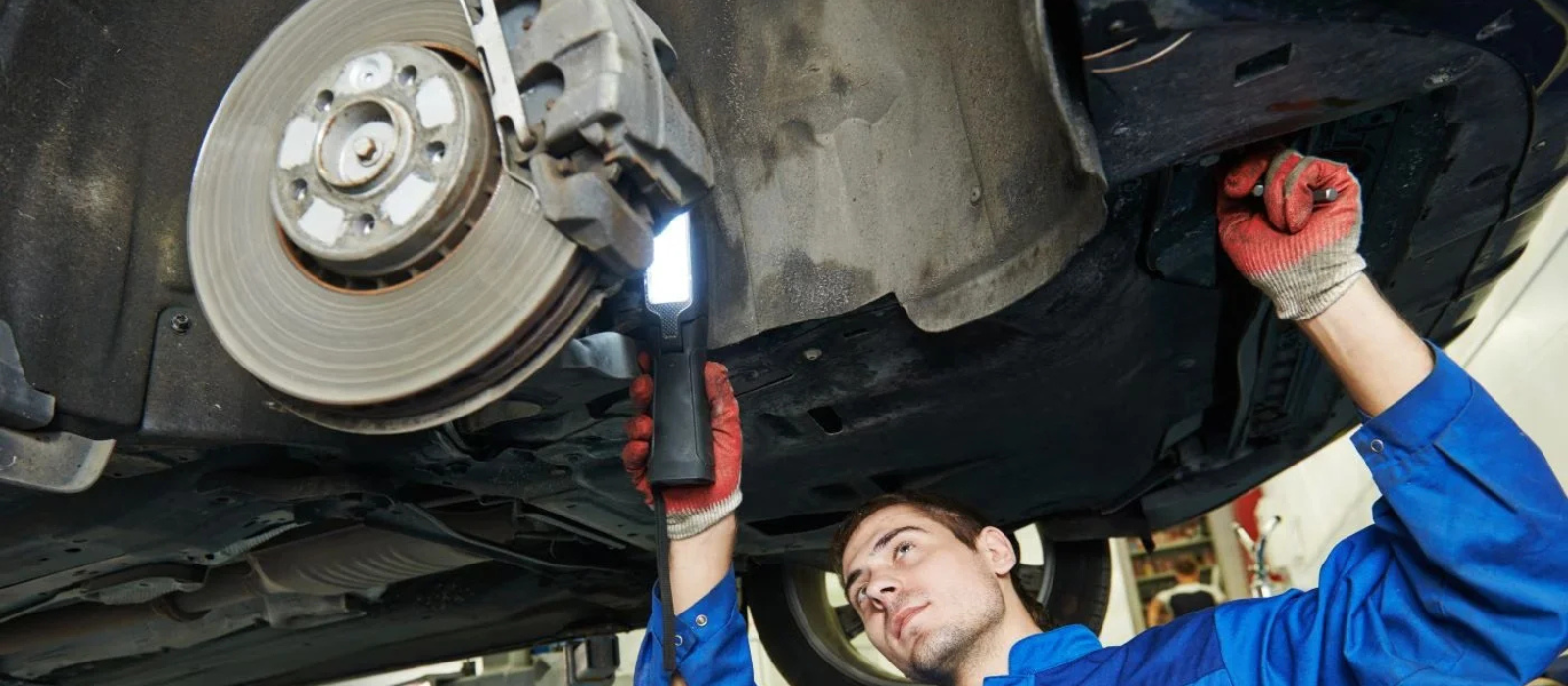
A technician checks the complete system instead of replacing parts based only on a sound or warning light.Brake Pads and Shoes
The technician checks friction material, wear patterns, damage, and remaining thickness.Rotors and Drums
The inspection looks for scoring, cracks, heat damage, uneven wear, and thickness concerns.Calipers and Hardware
The technician checks movement, seals, mounting parts, clips, and other brake hardware.Brake Fluid
The inspection reviews the fluid level, visible condition, reservoir, hoses, and possible leaks.Warning Lights
Diagnostic testing can help identify faults connected to the ABS or other electronic brake controls.Road-Test Symptoms
When safe and appropriate, the technician may confirm noise, vibration, pulling, or pedal concerns.Brake Pads, Rotors, and Calipers Work Together
When you press the pedal, the caliper moves the brake pads against the rotor. That contact creates the friction needed to slow the wheel. Because these parts work together, worn pads can eventually damage the rotor. Meanwhile, a sticking caliper can create uneven wear, excess heat, or pulling. Early service may help limit damage to other parts of the system.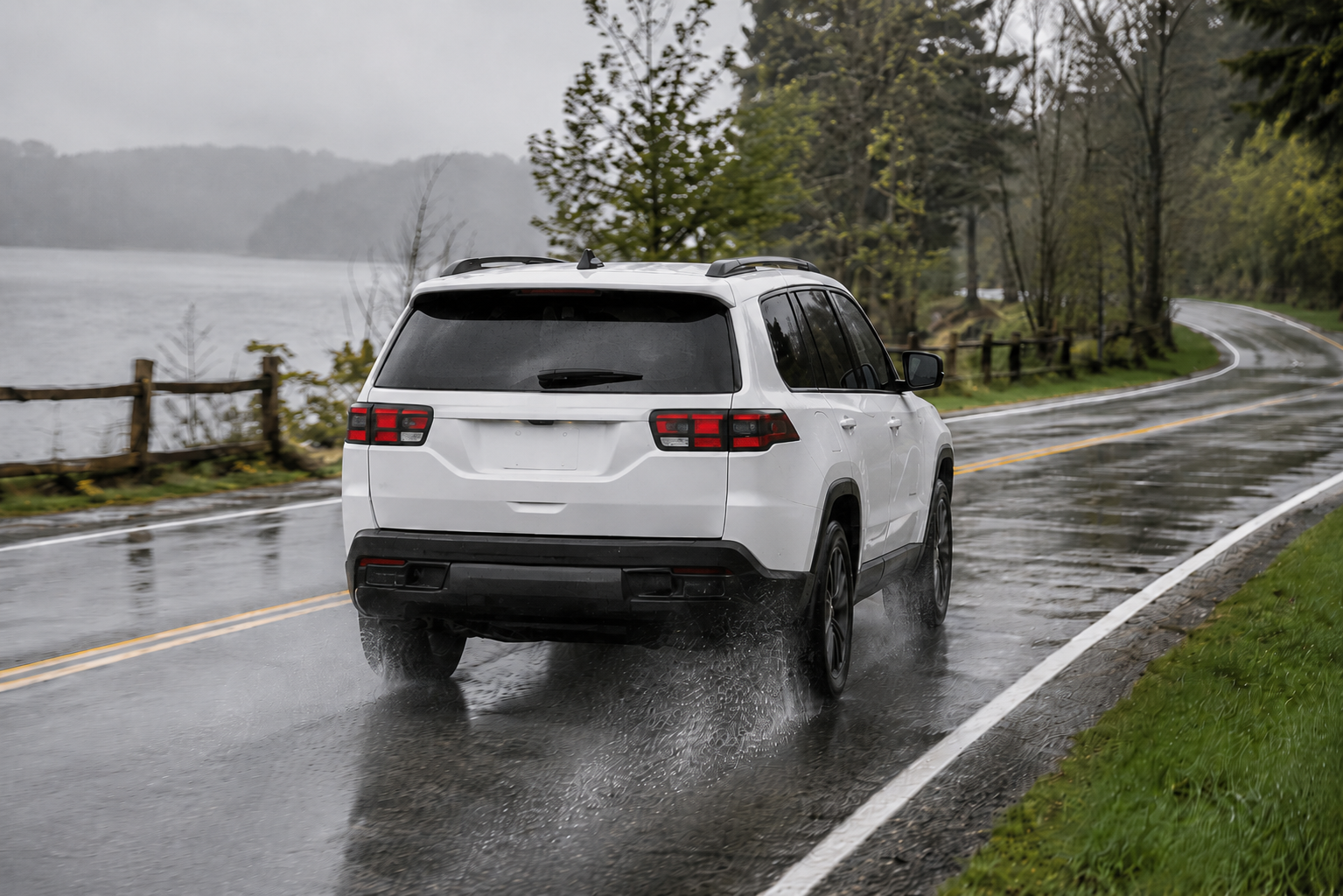
Why Brake Condition Matters for Michigan Driving
Michigan drivers regularly encounter rain, road debris, construction, changing temperatures, stop-and-go traffic, and trips with passengers or cargo. Each condition can affect how much distance a vehicle needs to stop.Wet Roads
Rain can reduce tire grip. Therefore, healthy brakes and properly maintained tires both matter during a stop.Towing and Heavy Loads
Extra weight can increase heat and stopping demands, especially during repeated braking or downhill travel.Frequent Short Trips
Regular stops during local driving can wear brake parts faster than steady highway travel.There Is No Single Brake Replacement Mileage
Brake life depends on the vehicle, brake materials, driving habits, traffic, towing, terrain, and previous service. For that reason, use the maintenance information for your vehicle and schedule an inspection when symptoms appear. Explore the Service Center
Schedule Brake Service in Durand, MI
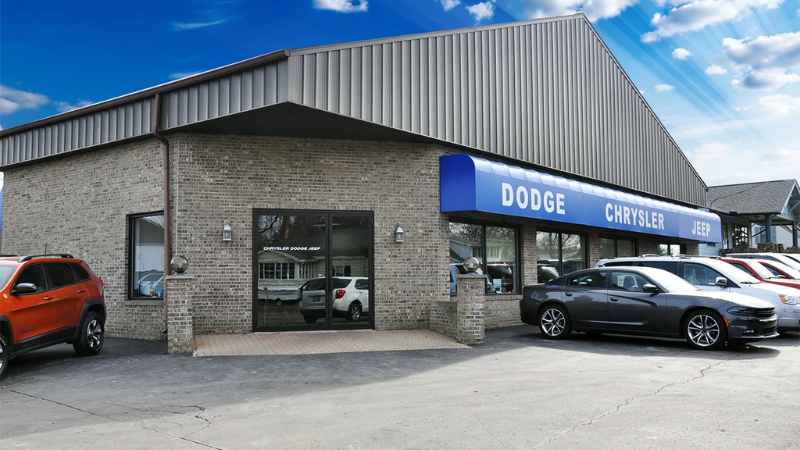
Randy Wise Chrysler Dodge Jeep Ram of Durand helps drivers from Durand, Flint, Owosso, Corunna, Swartz Creek, and surrounding Mid-Michigan communities address brake noises, warning lights, pedal changes, and stopping concerns. Our service team can inspect the brake system, explain what they find, and help determine which repairs or maintenance items the vehicle needs.Frequently Asked Questions
What are the most common signs that brakes need service?
Common warning signs include squealing, grinding, vibration, pulling, a soft or low pedal, warning lights, burning smells, and longer stopping distances.Can I drive with grinding brakes?
Grinding brakes need prompt attention. Continued driving may reduce braking performance and damage the rotors, calipers, or other parts. Arrange an inspection rather than waiting for the sound to worsen.Why does my brake pedal feel soft?
A soft pedal may relate to air or fluid problems, worn parts, or another hydraulic-system concern. Because several issues can cause the same symptom, schedule an inspection promptly.What should I do if the red brake light stays on?
First, make sure the parking brake is fully released. If the light remains on, stop driving and arrange immediate service because the vehicle may have a brake-system problem.What is the difference between the brake light and ABS light?
The red brake light may signal a parking-brake, fluid, or hydraulic-system concern. In contrast, the yellow ABS light points to a problem with the anti-lock portion of the system. Both lights require attention, although a red brake light can signal a more urgent condition.How often should I have my brakes inspected?
Follow the maintenance guidance for your specific vehicle. In addition, request an inspection whenever you notice noise, vibration, warning lights, pedal changes, pulling, leaks, or reduced stopping power.Where can I schedule brake repair near Flint or Owosso?
Drivers from Flint, Owosso, Corunna, Swartz Creek, and nearby Mid-Michigan communities can schedule brake service at Randy Wise Chrysler Dodge Jeep Ram of Durand.Brake service disclaimer: Brake symptoms can have several causes. This article provides general information and does not replace a professional inspection or the instructions in your vehicle’s owner’s manual.
Do not continue driving when the vehicle cannot stop normally, the brake pedal drops toward the floor, the red brake warning light remains on, brake fluid is leaking, or smoke appears near a wheel. Arrange towing or roadside help when necessary.
Manufacturer information:Mopar Brake Service | Mopar Brake Maintenance