





Tires are one of the most important parts of your vehicle, but many drivers are not sure when they need a simple tire rotation and when it may be time for tire replacement. Both services matter, but they solve different problems.
For drivers in Durand, Flint, Owosso, Corunna, Swartz Creek, and surrounding Mid-Michigan communities, tire condition plays a major role in traction, braking, handling, and year-round driving confidence. Understanding the difference between tire rotation and tire replacement can help you take better care of your vehicle and avoid unnecessary tire wear.
What Is a Tire Rotation?
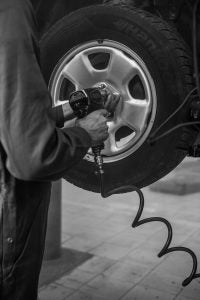
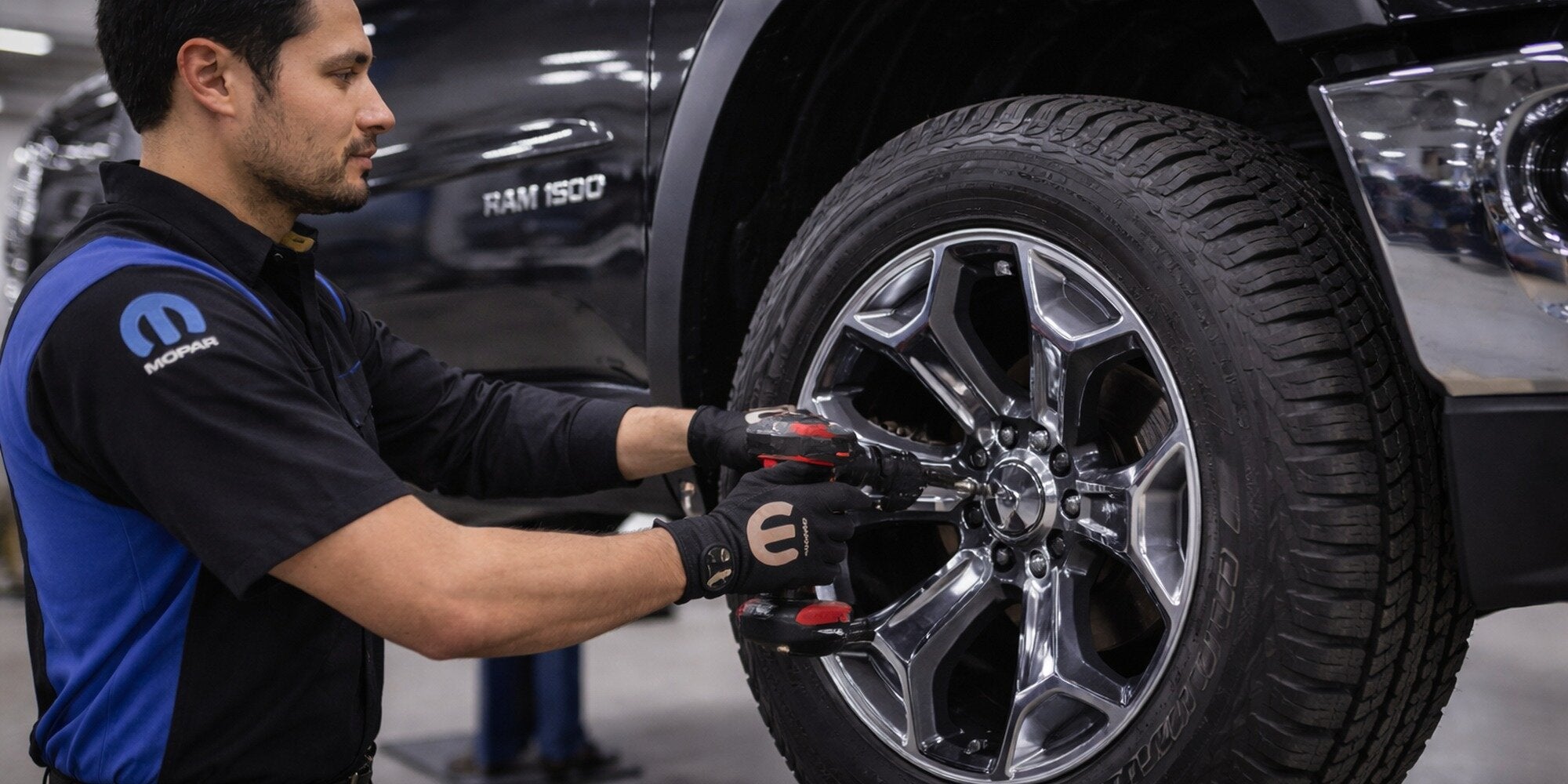
A tire rotation is a routine maintenance service where each tire is moved to a different position on the vehicle. This helps balance tread wear because front and rear tires do not wear at the same rate.
Front tires often carry more steering and braking responsibility, while rear tires may wear differently depending on the vehicle, drivetrain, suspension, and driving habits. Rotating the tires helps each tire share the workload more evenly over time.
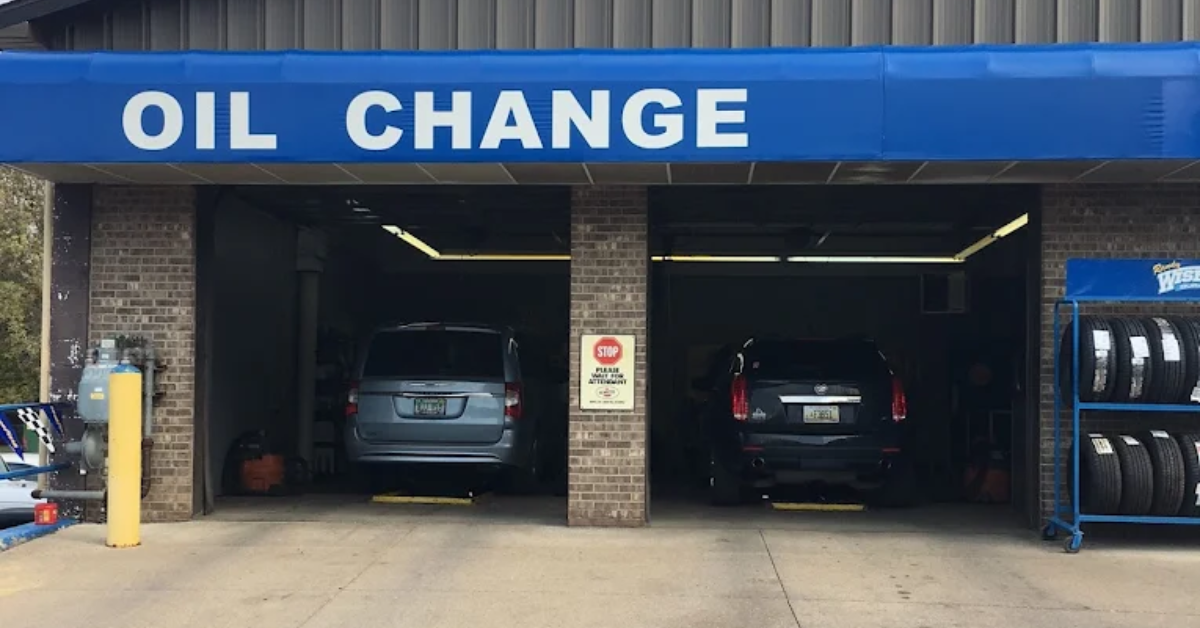
For many drivers, tire rotations are completed during routine maintenance visits such as oil changes or multi-point inspections.
Why Tire Rotations Are Important
Routine tire rotations help drivers get more usable life out of their tires. When tires wear evenly, they can often perform better for a longer period of time.
- Helps promote even tread wear
- Supports better handling and ride quality
- Can help extend tire lifespan
- Helps maintain traction in changing road conditions
- May reduce the chance of premature tire replacement
If tire rotations are skipped for too long, one or two tires may wear much faster than the others. That can lead to uneven handling, vibration, reduced traction, and earlier replacement costs.
What Is Tire Replacement?
Tire replacement is needed when a tire is too worn, damaged, aged, or unsafe to continue using. Unlike tire rotation, which helps extend tire life, tire replacement is the solution when the tire can no longer perform properly.
Every tire eventually needs to be replaced. The goal of proper tire maintenance is to help you get the most life possible from your current tires while keeping your vehicle safe and ready for the road.
Healthy Tire vs. Worn Tire
A healthy tire has enough tread depth to help grip the road, move water away from the tire, and provide stable handling. A worn tire has reduced tread depth, which can make it harder for the tire to perform well in rain, snow, or slippery conditions.
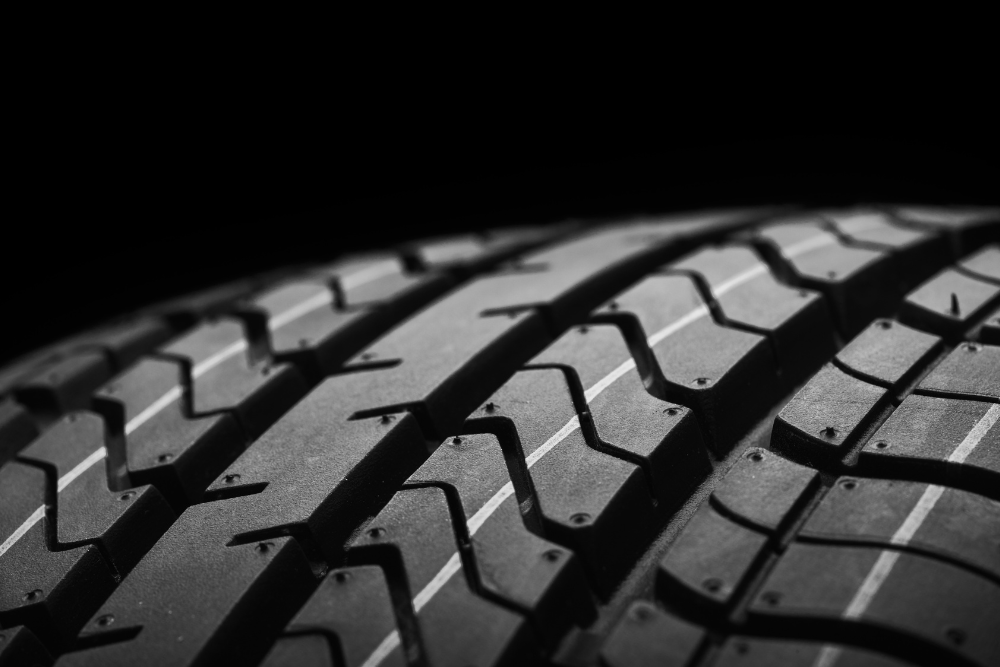
Healthy tread is especially important in Michigan because road conditions can change quickly. One week may bring rain, the next may bring heat, and winter driving can bring snow, ice, and slush.
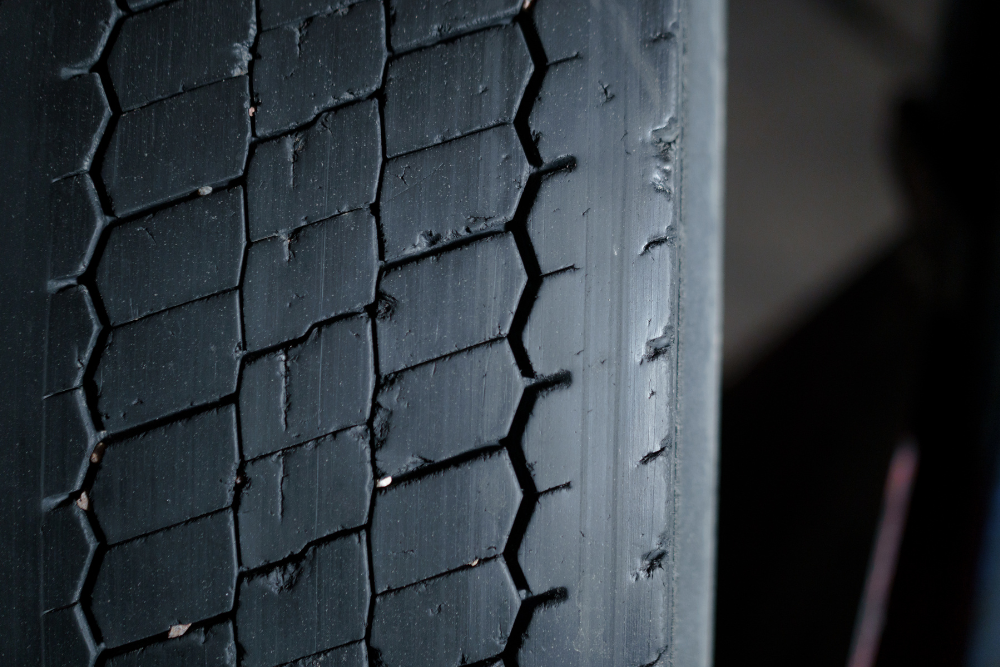
When tread becomes too low, the tire may have less ability to grip the road or move water away from the contact patch. That can affect braking distance, steering response, and overall confidence behind the wheel.
Signs You May Need a Tire Rotation
Your vehicle may need a tire rotation if the tires are still in good condition but are beginning to show uneven wear. Tire rotations are preventative maintenance, which means they are best performed before there is a serious tire issue.
- One tire appears to be wearing faster than the others
- You feel light vibration while driving
- Your vehicle has gone several thousand miles since the last rotation
- Your maintenance schedule recommends tire rotation
- A technician notices uneven wear during an inspection
If the tires still have safe tread depth and no major damage, a rotation may help balance wear and extend tire life.
Signs You May Need Tire Replacement
Tire replacement may be needed when the tires are too worn or damaged to safely continue driving. A tire inspection can help determine whether replacement is necessary.
- Tread depth is too low
- There are cracks, cuts, bulges, or sidewall damage
- The tire keeps losing air pressure
- The vehicle has reduced traction in rain or snow
- There is severe uneven wear
- The tire is too old or no longer performing properly
If you are unsure whether your tires need to be rotated or replaced, the safest step is to have them inspected by a qualified service technician.
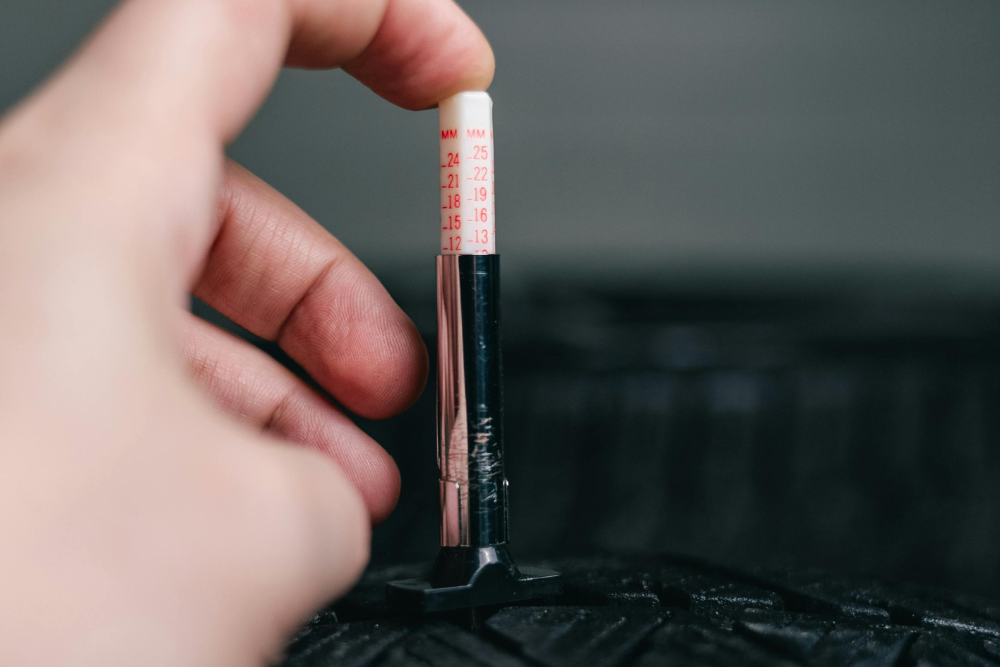
Why Tire Service Matters in Michigan
Michigan drivers deal with a wide range of road conditions throughout the year. Rain, snow, ice, potholes, gravel roads, construction zones, and temperature swings can all affect tire wear and performance.
Drivers who commute between Durand, Flint, Owosso, Corunna, and Swartz Creek may also put on mileage quickly. Regular tire inspections and rotations can help identify concerns before they become larger problems.
When Should You Schedule Tire Service?
A good rule of thumb is to have your tires inspected regularly and rotated based on your vehicle manufacturer's recommended maintenance schedule. Many drivers choose to rotate their tires during oil change appointments for convenience.
You should also schedule tire service if you notice uneven tread wear, vibration, pulling, reduced traction, or a tire pressure warning light.
Schedule Tire Service at Randy Wise CDJR of Durand
Randy Wise Chrysler Dodge Jeep Ram of Durand helps drivers take care of their vehicles with service support for routine maintenance, tire inspections, tire rotations, and other important vehicle care needs.
Whether you drive a Chrysler, Dodge, Jeep, Ram, or another vehicle, our service team can inspect your tires, explain what they see, and help you understand whether a tire rotation or replacement may be the right next step.
Frequently Asked Questions About Tire Rotation and Replacement
Is a tire rotation the same as tire replacement?
No. A tire rotation moves tires to different positions on the vehicle to help balance wear. Tire replacement means removing old or unsafe tires and installing new ones.
How often should I rotate my tires?
Many vehicles benefit from tire rotations every 5,000 to 7,500 miles, but your owner's manual provides the best recommendation for your specific vehicle.
Can rotating my tires make them last longer?
Yes. Regular tire rotations can help promote even tread wear, which may extend the life of your tires.
How do I know if my tires are too worn?
Common signs include low tread depth, reduced traction, visible damage, uneven wear, or repeated loss of air pressure. A service inspection can confirm whether replacement is needed.